

How Much Protein Do You Need to Build Muscle?
Looking to feel stronger and more confident in your body this year? Meeting your protein needs is a key step toward building strength and supporting your overall health. But how much protein does a woman need to build lean muscle? If you’re wondering about your specific requirements, you’re not alone. In this guide, I’m breaking down everything you need to know about protein—plus, practical tips to effortlessly incorporate more into your diet. Let’s dive into how you can nourish your body and achieve your fitness goals in a way that works for you.
P.s. My Ultimate Protein Guide is now available! With protein as the focal point, this guide covers it all—how much protein you need, animal vs. plant-based sources, how to choose the best protein bars, and so much more. Grab your copy here. Plus, it includes 30 (brand new) protein-rich recipes to spark creativity in the kitchen.

Why Protein Matters for Women’s Muscle-Building Goals
Protein isn’t just for bodybuilders—it’s essential for every woman aiming to build muscle and feel her strongest. As the building block of muscle tissue, protein helps repair and grow muscles after exercise, improves recovery, and supports overall physical performance. Whether you’re lifting weights, trying to tone up, or simply staying active, protein plays a vital role in helping you reach your goals. Here’s why it’s a game-changer for women focused on muscle-building:
- Supports metabolism
- Promotes satiety and reduces cravings
- Preserves lean muscle mass (during fat loss)
- Improves hormone balance
- Enhances recovery after workouts
- Supports baby’s growth (and a mother’s changing body) during pregnancy
- Helps with postpartum recovery
As a Nutrition Consultant, many of my 1:1 clients underestimate their protein needs—especially when building lean muscle and/or losing visceral fat! Adequate protein intake is crucial for achieving these fitness goals.

How Much Protein Do You Need to Build Lean Muscle?
When it comes to building lean muscle, protein is non-negotiable. But figuring out exactly how much you need can feel overwhelming. The truth is, your protein requirements depend on factors like your activity level, body composition goals, and overall lifestyle. Let’s break it down so you can better understand how to fuel your body effectively for strength and muscle growth.
- Sedentary women: 0.36 grams per pound of body weight
- Moderately active women: 0.54–0.64 grams per pound of body weight
- Very active women or those looking to build lean muscle: 0.73–0.91 grams per pound of body weight
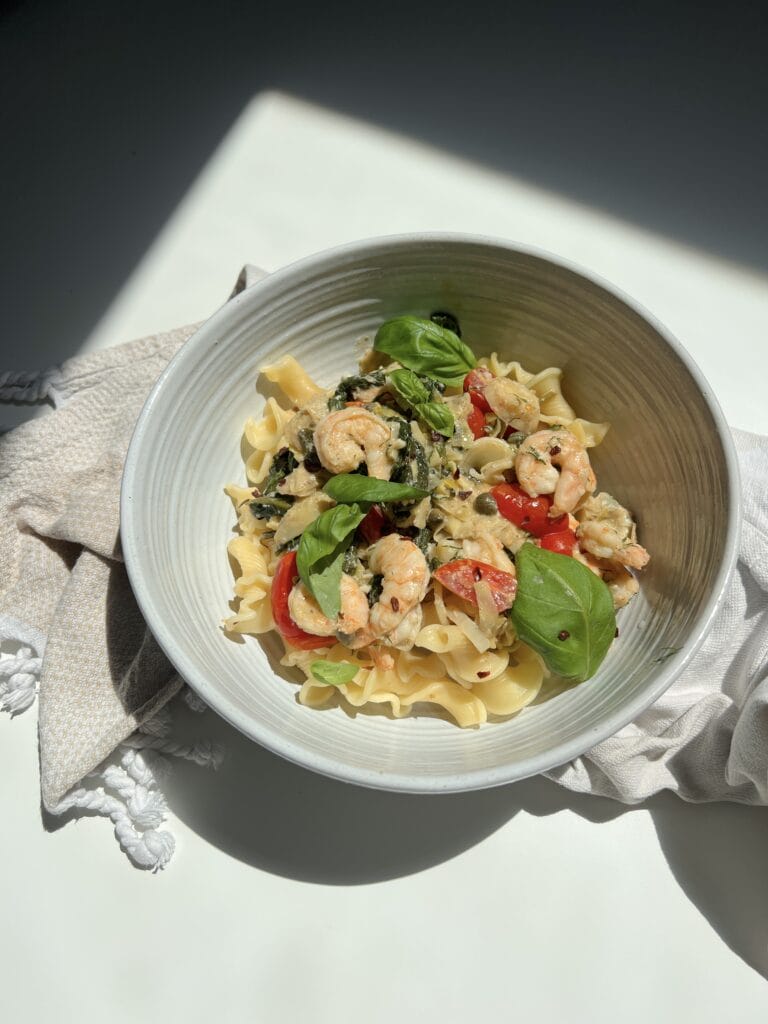
Not sure how to eat that much protein in a day? My Ultimate Protein Guide is the perfect resource to walk you through adding more protein to your diet.
Protein Needs for Every Activity Level
1. Sedentary Women (0.36 grams per pound)
Example: A sedentary woman weighing 150 lbs:
150 lbs × 0.36 g = 54 grams of protein per day
- Example meals:
- Breakfast: 2 scrambled eggs (12 g)
- Snack: Greek yogurt (6 oz, 15 g)
- Lunch: Grilled chicken salad (3 oz chicken, 26 g)
- Dinner: Roasted veggies with quinoa (1 cup quinoa, 8 g)
2. Moderately Active Women (0.54–0.64 grams per pound)
Example: A moderately active woman weighing 150 lbs:
150 lbs × 0.54–0.64 g = 81–96 grams of protein per day
- Example meals:
- Breakfast: Protein smoothie (1 scoop protein powder, 20 g + almond milk and fruit)
- Snack: Cottage cheese (1/2 cup, 14 g)
- Lunch: Turkey and avocado wrap (3 oz turkey, 21 g + whole-grain wrap)
- Snack: Handful of mixed nuts (2 oz, 8 g)
- Dinner: Grilled salmon (5 oz, 34 g) with steamed broccoli
3. Very Active Women or Those Building Lean Muscle (0.73–0.91 grams per pound)
Example: A very active woman weighing 150 lbs:
150 lbs × 0.73–0.91 g = 110–137 grams of protein per day
- Example meals:
- Breakfast: Omelet (3 eggs, 18 g) with spinach and cheese (2 g)
- Snack: Protein bar (20 g)
- Lunch: Grilled chicken breast (6 oz, 42 g) with sweet potatoes
- Snack: Hard-boiled eggs (2 eggs, 12 g) and an apple
- Dinner: Beef stir-fry (5 oz lean beef, 35 g) with mixed veggies and rice

Most Women are Under-Eating Protein
To no surprise, research suggests that many women don’t consume enough protein to support their muscle-building goals. Reasons for this?
- Underestimating protein needs for building lean muscle
- Fear of “bulking up” (a common misconception)
- Following restrictive diets that limit protein sources
- Focusing more on carbohydrates and fats
Increasing protein intake to meet the requirements for building lean muscle can lead to better results in muscle growth and fat loss.
Best Protein Sources for Women Building Lean Muscle
Incorporating a variety of protein sources ensures a balanced intake of essential amino acids (the building blocks of protein!). When considering how much protein a woman needs to build lean muscle, it’s important to choose high-quality sources:
Animal Protein Sources
- Chicken breast
- Turkey bacon
- Lean beef
- Ground venison (an underrated, lean option)
- Egg whites
- Greek yogurt
- Cottage cheese
- Fish (salmon, tuna, tilapia)
Vegetarian and Vegan Protein Sources
- Tofu and tempeh
- Legumes (lentils, chickpeas, black beans)
- Quinoa
- Hemp seeds
- Chia seeds
- Pea protein powder
- Edamame
- Nutritional yeast
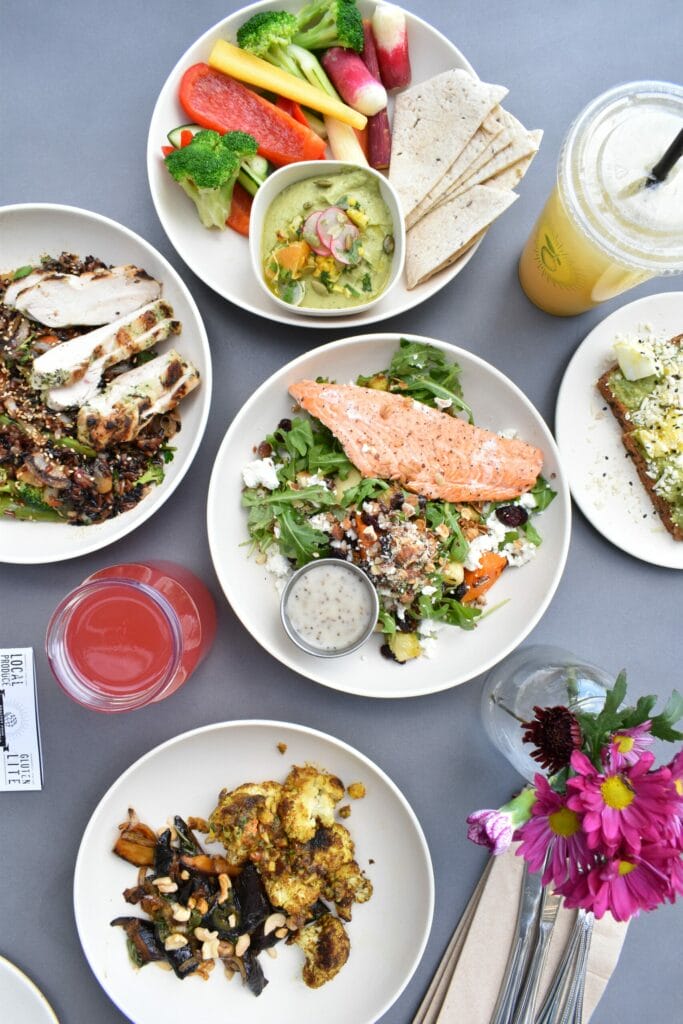
Timing Your Protein Intake for Building Muscle
To optimize muscle protein synthesis—and meet the protein needs for building lean muscle—aim for:
- 25-40 grams of protein per meal
- A protein-rich snack before or after workouts
- A small protein serving before bed to support overnight muscle recovery
Exactly How to Calculate and Meet Your Daily Protein Goals
To calculate how much protein you should eat in a day, follow these steps:
- Determine Your Goal: Let’s say your goal is to consume 120 grams of protein per day.
- Calculate Protein Needs Per Meal: Divide your daily protein goal by the number of meals and snacks you typically have in a day. For example, if you eat three meals and two snacks a day: 30 grams of protein per meal and 15 grams of protein per snack.
- Plan Protein Sources: Identify how much protein is in different foods you plan to eat.
- Chicken breast: 25 grams of protein per 3 ounces
- Greek yogurt: 10 grams of protein per 1 cup
- Eggs: 6 grams of protein per egg
- Track Your Intake: While it’s not necessary to always track your protein intake, it can be helpful for a few weeks! You can use the Notes app on your phone or a fitness tracker if you’d prefer.
Common Myths About Protein
Myth: High protein diets are bad for your kidneys. Truth: For healthy individuals, high-protein diets are generally safe.
Myth: Plant-based proteins are inferior for building lean muscle. Truth: With proper planning, plant-based proteins can be equally effective.
Myth: Protein powders are only for men. Truth: Protein supplements can benefit everyone in meeting their protein needs for building lean muscle.

Sample 3-Day High-Protein Meal Plan for Building Lean Muscle
Need protein-forward meal inspo? Here’s a balanced, high-protein meal plan to help you meet your protein needs for building lean muscle:
Day 1:
Breakfast: Greek yogurt parfait with berries, high-protein granola, and hemp seeds (you can also mix a scoop of protein powder into the Greek yogurt for an extra 15-20 grams of protein!)
Snack: Hard-boiled eggs and carrot sticks
Lunch: Grilled chicken salad with mixed greens, cherry tomatoes, artichoke hearts, quinoa, avocado, and pumpkin seeds
Snack: Cottage cheese with sliced almonds and a drizzle of raw honey
Dinner: Air-fried salmon with farro and sautéed spinach—topped with store-bought tzatziki
Day 2:
Breakfast: Scrambled eggs (or tofu scramble) with veggies and a high-fiber bagel with ghee or mashed avocado
Snack: Simple protein smoothie (protein powder, frozen banana or berries, cinnamon, a scoop of flax/chia blend, and milk of choice)
Lunch: Turkey and avocado wrap with sprouts, tomato, red onion, Dijon mustard, and hummus + a side of seedy crackers and string cheese
Snack: Edamame and cucumber slices drizzled with toasted sesame oil and sprinkled with flake salt
Dinner: Lean beef stir-fry with mixed veggies (bell pepper, mushrooms, etc.) and brown basmati rice
Day 3:
Breakfast: Protein oatmeal (oats cooked with milk of choice, protein powder, a scoop of flax/chia blend, and cinnamon), topped with berries and a drizzle of nut butter or tahini
Snack: Greek yogurt with berries and crushed walnuts
Lunch: Tuna salad on sprouted-grain bread (or sourdough) with a simple feta salad on the side (cherry tomatoes, cucumber, feta cheese, and olive oil)
Snack: Apple slices and a string cheese
Dinner: Ground venison burger with roasted sweet potato fries and steamed broccoli
Adjust portion sizes based on your hunger, keeping in mind how much protein a woman needs to build lean muscle!
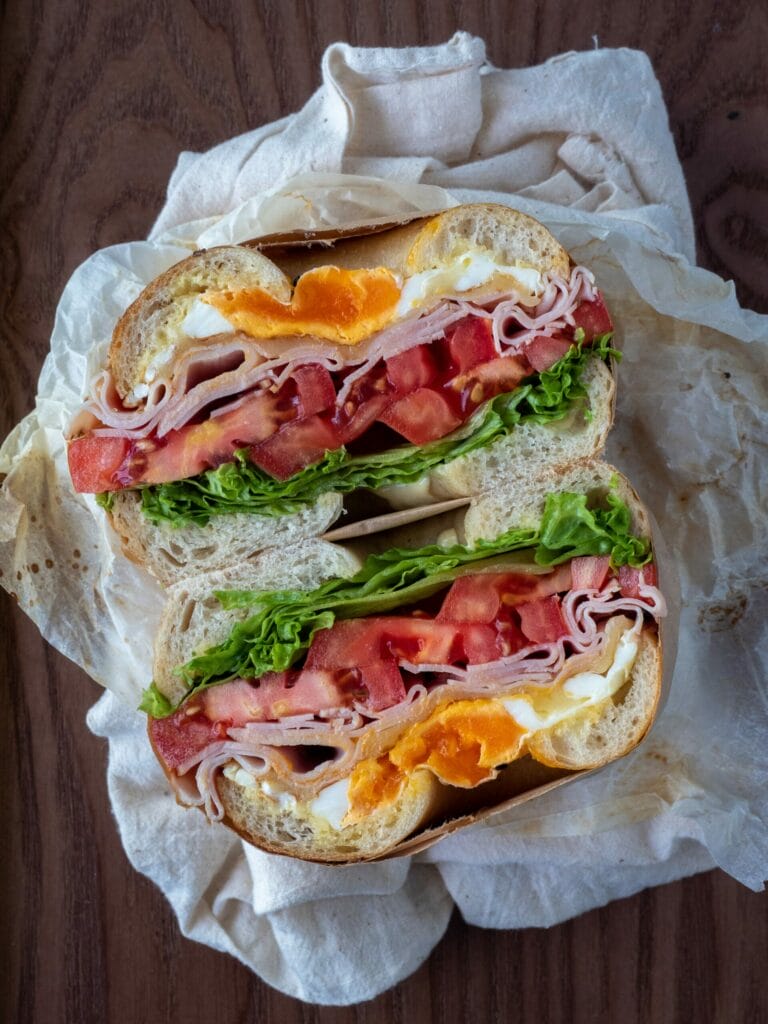
Why Building Muscle Requires More Than Just Protein
Keep in mind that consuming enough protein alone isn’t enough to achieve your muscle-building goals. Strength training is imperative because it stimulates muscle fibers. This creates the demand for those amino acids to rebuild stronger muscles. Additionally, carbs play an essential role by providing the energy needed for intense workouts. They replenish glycogen stores in muscles, which fuels strength training and aids in recovery. Without enough carbs, the body breaks down muscle tissue for energy—undermining your progress. Therefore, a balanced approach that includes adequate protein, effective strength training, and sufficient carbohydrate intake is vital for building and maintaining muscle mass.
The amount of carbohydrates needed to build muscle varies depending on factors—activity level, body weight, insulin sensitivity, and overall fitness goals. But as a general baseline, if you weigh 70 kg (154 lbs) and are training intensely, you might aim for 210-490 grams of carbohydrates daily. This range ensures that your body has enough energy to fuel workouts, support recovery, and prevent muscle breakdown.
The Power of Protein for Female Hormone Balance
All of that said, protein isn’t just for muscle building! It’s a cornerstone of hormone balance. Adequate protein intake supports the production of essential hormones—such as insulin and cortisol—which regulate everything from our energy levels to our stress response. Protein also helps stabilize blood sugar, reducing the hormonal fluctuations that often lead to mood swings, fatigue, and cravings. Sayonar, PMS! By ensuring you get enough high-quality protein in your diet, you’re getting double the benefit with one effort: fueling your body and maintaining hormonal balance for a regular menstrual cycle.

Increase Your Protein Intake Today
To bring this full circle, building lean muscle requires more than just hitting the gym—it’s essential to support your body with the right nutrition. Understanding how much protein a woman needs to build lean muscle can help you tailor your diet to meet your fitness goals. Whether you’re just starting or have been training for years, ensuring adequate protein intake is key to achieving the muscle growth and strength you’re aiming for. By adjusting your protein intake to your activity level, you’ll be on your way to a stronger, leaner you.


