

Do You Have Estrogen Dominance? Signs, Causes, and How to Balance It Naturally
Hormone content online? It’s mostly noise. Seed cycling, castor oil packs, a supplement stack you’d need a spreadsheet to track. Meanwhile, almost nobody is talking about the imbalance that’s actually driving half of those symptoms: estrogen dominance. I got diagnosed with PCOS (now known as PMOS) back in 2017, and estrogen dominance was the root of most of it. Painful periods, tender breasts, bloating that made me avoid mirrors, sleep that never felt deep enough. I spent a long time treating each symptom on its own before I realized they were all coming from the same place.
Here’s what nobody tells you: an estimated 80% of women deal with some kind of hormone imbalance, and estrogen dominance is one of the most common versions of it. If any of that list sounds familiar, you’re not alone. Today we’re covering what estrogen dominance is, what causes it, and the foods (and lifestyle habits!) that help your body clear the excess instead of holding onto it.

How common are hormonal imbalances?
Very. In fact, studies show that upwards of 80% of women suffer from hormone imbalances. PMOS, formerly known as PCOS (polycystic ovary syndrome), affects approximately 5 million women in the United States. I used to have PCOS symptoms, but this is how I put mine in remission! Regardless, when you have a hormonal imbalance—which, by the way, commonly happens in men as well—you have too much or too little of a particular hormone. When your endocrine glands don’t secrete enough (or too much) of a particular hormone, things go awry. From high cortisol to low testosterone, fluctuations in hormone levels are usually a result of lifestyle factors. And while hormone levels are supposed to fluctuate throughout your lifetime (hello, pregnancy!), chronically high or chronically low levels wreak havoc.
The Body’s 6 Primary Hormones
There are a few major hormones in the body:
- Cortisol is our main stress hormone.
- T3 and T4 are our two primary thyroid hormones.
- Melatonin controls our sleep and wake cycles (i.e our circadian rhythm).
- Progesterone and testosterone are involved in reproduction; they’re often called the “female” and “male” hormones, as progesterone is mostly produced by the ovaries, and testosterone is mostly produced in the testicles.
- Insulin is required for the cells in your body to properly use glucose in your bloodstream.
- Estrogen plays an incredibly important role in the functioning of both female and male bodies.
What is estrogen?
Commonly referred to as the “female sex hormone,” estrogen is one of the most essential chemicals in all bodies—men included. While estrogen plays many roles and has multiple uses, it is a predominant leader in the female reproductive system. Along with regulating the menstrual cycle, estrogen affects the urinary tract, heart and blood vessels, bones, breasts, skin, hair, the brain, and more. A woman’s ovaries make a majority of estrogen, but the adrenal glands and fat cells make estrogen too. Your body makes three different types of estrogen: estradiol (the most common type in women of childbearing age), estriol (the main estrogen involved in pregnancy), and estrone (the only estrogen your body makes after menopause).
Why We Need Estrogen
Beyond its importance for developing and maintaining the reproductive system, estrogen is necessary for childbearing and a healthy, regular menstrual cycle. We also need estrogen in order to maintain bone density, positive mood, and healthy cholesterol levels. Furthermore, estrogen contributes to cognitive function and overall vitality.

What are endocrine disruptors?
Like any kind of imbalance in the body, erratic estrogen levels can cause adverse reactions. Most notably, irregular menstruation, mood changes in women, and infertility / erectile dysfunction in men. For an imbalance to occur, estrogen is either too high or the hormones that balance estrogen are too low. For example, this could mean that progesterone in women is too low and in men, testosterone is too low. Hormonal birth control certainly impacts estrogen, potentially causing hormonal imbalances long after you’ve stopped taking it.
So, what are endocrine disruptors? They’re natural and synthetic compounds that interfere with hormonal functions. They negatively affect hormonal balance. These are found in everything from plastic water bottles to personal care products, receipts (yes!), pesticides, and more. Even in small doses, they can leave a lasting impact. When possible, purchase natural cleaning products, say no to printed receipts, switch to a reusable water bottle, and use beauty products without harmful chemicals.
Estrogen Dominance: Signs and Symptoms
When the levels of estrogen are chronically high (especially in comparison to other sex hormones circulating in the blood), women are commonly diagnosed with estrogen dominance. Unfortunately, without proper balance from other sex hormones, estrogen dominance can lead to an array of unpleasant symptoms:
- Hair loss
- Low sex drive
- Poor sleep quality
- Cold hands and feet
- Digestive issues
- Tender or swollen breasts
- Fatigue
- Depression
- Non-cancerous breast lumps
High levels of estrogen can also contribute to PMOS (formerly called PCOS), uterine fibroids, irregular menstrual cycles, and thyroid dysfunction. Men may also suffer from estrogen-related issues. Additionally, elevated estrogen is a risk factor for breast, ovarian, and endometrial cancer in women, as well as prostate and breast cancer in men.
The good news is, there are simple lifestyle changes that can lower estrogen levels naturally. Beyond removing endocrine disruptors from your home, incorporating meditation and finding joyful ways to move your body are key. Furthermore, eating a low-estrogen diet is a practical, sustainable way to help balance hormones.
How Your Diet Impacts Estrogen
Research shows that specific diets are linked to high estrogen levels. To no surprise, the Standard American Diet (SAD) is at the top of that list. More than ever, it’s important to take inventory of what you’re putting in your body. Conventional animal products (particularly, dairy, chicken, and fish) contain high amounts of estrogen. These can lead to estrogen dominance. In essence, hormones have been used for decades to accelerate animal growth. Synthetic estrogen and testosterone are the most common, unfortunately. Not only are these synthetic hormones harmful to the animals and us—consumers—but they contribute to environmental issues too.

Eating for Hormone Balance
- If you’re regularly consuming conventionally raised animals, consider making the switch. And rest assured, you can eat animal protein—without added hormones—on a budget. To start, look for labels like ‘rBST free,’ ‘organic,’ and ‘pasture-raised.’ Otherwise, simply scale back on your animal consumption. Opt for more plant foods, as they can help balance excess estrogen in the body.
- Regularly, build your snacks and meals around fresh fruit, vegetables, nuts, seeds, legumes, and nutritious, minimally processed grains.
- Healthy fats from plant foods are also important. Think almonds, avocados, Brazil nuts, chia seeds, coconut, sunflower seeds, tahini, and walnuts.
- Lastly, load up on plenty of leafy greens to help with the body’s natural detoxification pathways! A well-functioning liver is imperative for breaking down excess estrogen. Veggies like broccoli, kale, cabbage, collard greens, and bok choy all contain compounds that support estrogen receptors.
Not sure how to build these ingredients into easy-to-make meals? My 30·3·30 Method has 20 easy, hormone-supportive recipes built around clean protein, colorful produce, and simple prep.
10 Foods That Lower Estrogen
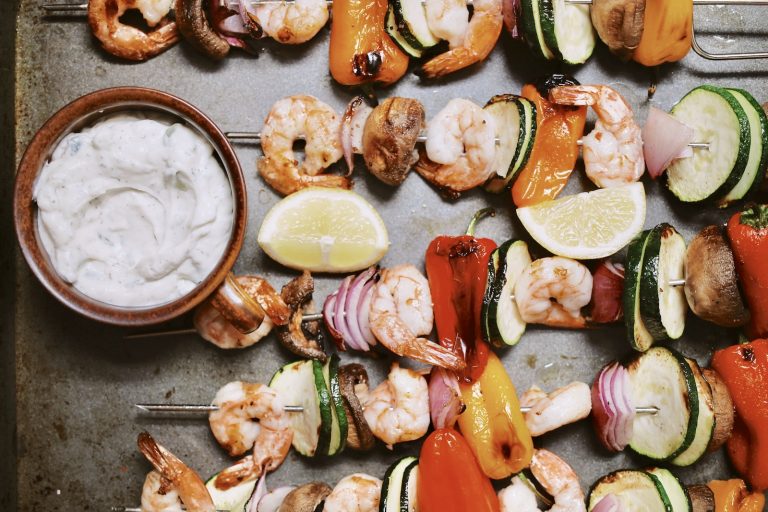
The million-dollar question: can you mitigate estrogen dominance through diet? The long-short is yes—it is possible. Consuming these 10 foods, as part of a low-estrogen diet, can aid in removing excess estrogen from the body as well as contribute to the building blocks of producing other necessary hormones.
Arugula
Among other leafy greens, arugula has both anti-cancer and estrogen-blocking properties. It’s also high in vitamin C, an immune booster. Although it’s a bitter green, a simple massage with coconut oil and lemon juice helps remove some of its bite.
Avocado
Research shows that avocados can help reduce the absorption of estrogen and boost testosterone levels. They also improve heart health and aid in satiety. We need enough healthy fats in order to make hormones, and avocados are a great source of hormone-building blocks.
Broccoli
Cruciferous veggies, like broccoli, Brussels sprouts, and cauliflower, are incredible at helping our livers metabolize estrogen. Adding in a variety of these ingredients aid in hormonal balance.
Carrots
Raw carrots, in particular, are incredible at detoxing excess estrogen from the body. Made of mostly indigestible fiber, carrots can help excrete excess estrogen. Just one to two raw carrots (not baby carrots), per day, do the trick.
Coconut Oil
Coconuts contain a variety of beneficial compounds, like minerals and medium-chain fatty acids. Coconut oil has been shown to protect the liver from excess estrogen (and toxins, in general). With a buildup of toxins that can lead to estrogen dominance in the body, coconut oil is a versatile ingredient to add to your morning matcha, incorporate into baking, and use as the healthy fat in soups. Look for organic, cold-pressed, and unrefined coconut oil.
Eggs
In order to give your liver a helping hand (to boost detox pathways), eating foods that contain sulfur ultimately aids in removing excess estrogen. Along with onions and garlic, egg yolks are a wonderful source of sulfur. Pasture-raised eggs also contain healthy fats, which are critical for hormone production.
Mushrooms
Oyster mushrooms, in particular, contain compounds that may block aromatase. Aromatase’s primary function is to produce estrogens. Therefore, mushrooms could aid in reducing estrogen in the body. In addition to culinary mushrooms, functional mushrooms may help balance hormones in the body.
Pomegranates
Antioxidant-rich pomegranate seeds contain a natural compound that can inhibit the enzyme that converts estrone into estradiol. In other words, pomegranates can help modulate excess estrogen in the body.
Red grapes
In the skin of red grapes is resveratrol, a chemical that works to block estrogen production. Along with acting as an antioxidant, resveratrol helps flush excess estrogen from the body. Foods rich in resveratrol can also help reduce levels of testosterone too.
Whole grains
When it comes to choosing grains, make sure to buy 100% whole grain, preferably in their whole state. For example, quinoa seeds or whole oats instead of instant oatmeal or wheat bread. Whole grains retain a rich nutrient profile, including fiber and hormone-balancing B vitamins. Whole grains stabilize blood sugar, important for estrogen balance.
Ready to balance your hormones?
Food matters, but it works best paired with an actual framework instead of a list of foods to chase or avoid. My Strong(er) Body Blueprint walks through exactly how to eat and train to support hormone balance long term, including the same protein and plate framework I use with 1:1 clients. If you just want fast, protein-forward meals that fit everything covered here, my 30·3·30 Method gives you 20 recipes built around that exact goal.
This article is for informational purposes only. It is not, nor is it intended to be, a substitute for professional medical advice, diagnosis, or treatment and we recommend that you always consult with your healthcare provider.


