

Why Balanced Blood Sugar Is the Key to Happy Hormones
If your energy is unpredictable, your mood swings feel out of control, or your period shows up with a vengeance each month, your blood sugar might be to blame. While we often think of blood sugar as something only diabetics need to monitor, it plays a major role in hormone balance—especially for women. In fact, female hormones and blood sugar are deeply connected. When your blood sugar is on a rollercoaster, your hormones follow suit. The good news? With a few simple changes, you can stabilize blood sugar and, in turn, support better hormonal health, improved fertility, fewer PMS symptoms, and more.

Why Blood Sugar Matters
Did you know that blood sugar issues impact over 88% of Americans? Yes, 88%. That means most of us are walking around with volatile blood sugar levels (and are totally oblivious to it!). In turn, blood sugar becomes the underlying factor in countless chronic conditions, like diabetes, inflammation, and hormonal imbalances. Luckily, not all hope is lost. In fact—in just one day—blood sugar stability can begin to improve your focus, sleep, energy, and mood. In the long run, it can keep illness at bay, hormones happy, digestion flowing, and so much more.
Unfortunately, we live in a world that’s super-saturated with health claims, trendy foods, and heaps of contradictory food science. If you’re scratching your head—wondering where to begin—you’ve come to the right place. Together, let’s cut through the confusion to help you live a healthier life.
Everyone Benefits From Balanced Blood Sugar
Without knowing exactly what it means, you’ve probably heard of the term. Blood sugar—also known as blood glucose—plays a role in everything from cognitive function to chronic disease. You may already be familiar with spikes and dips in blood glucose. Hello, intense sugar cravings and the inevitable afternoon energy crash. That said, few recognize its effects on a daily basis. Keep in mind that blood sugar awareness is useful for everyone, not just pre-diabetics, diabetics—or in my case, a woman with PCOS.
What is Blood Sugar?
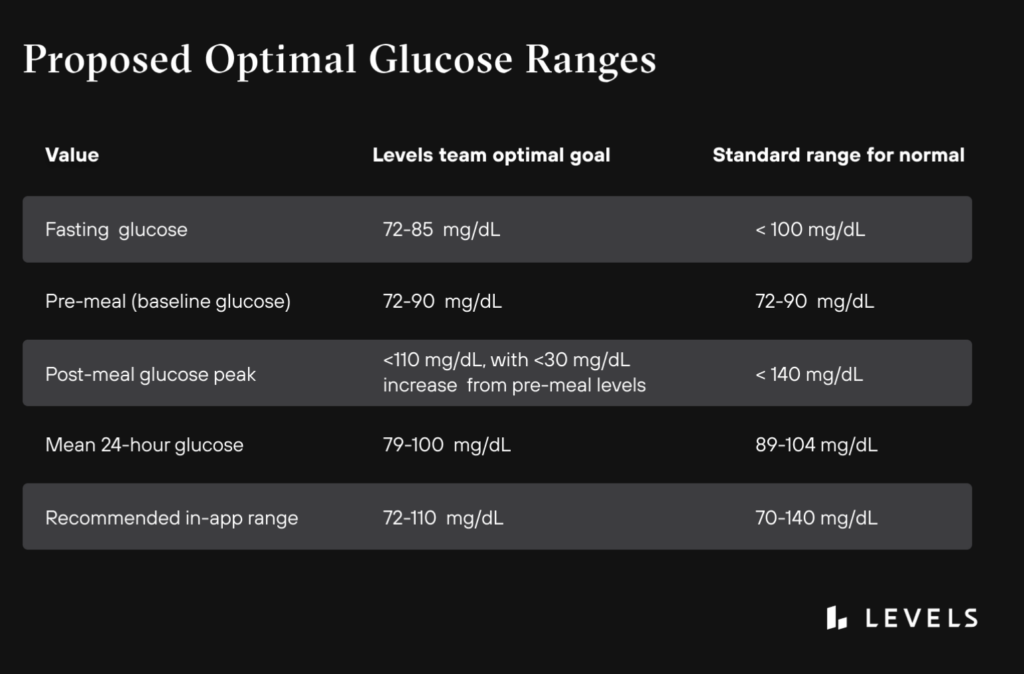
In essence, blood sugar is the amount of sugar (glucose) in your blood at any given time. It’s produced when we break down carbohydrates—i.e. starchy and sugary foods. Be it fruit, a slice of cake, or a piece of toast, that carb is absorbed into our bloodstream. Immediately or eventually, carbohydrates are used as a source of energy. See below for optimal blood glucose ranges. Want to know if your blood sugar is in range? Consider wearing a continuous glucose monitor.
Female Hormones and Blood Sugar
As mentioned, blood sugar balance is crucial for overall health. But it’s particularly important for women—thanks to how hormones regulate glucose metabolism. Hormonal imbalances can cause fluctuations in blood sugar levels, which can have a significant impact on your health. Vice versa, constant spikes in blood sugar can wreak havoc on female hormones. It’s a two-way street. From menstrual irregularities to an increased risk of diabetes, understanding the link between female hormones and blood sugar balance is essential. Let’s explore why blood sugar balance is so important for female hormones and what you can do to maintain healthy glucose levels.
Eating to Support Healthy Hormones
In many ways, what you eat either helps or hurts your hormones. In other words, your diet plays a significant role in hormonal production (and maintaining healthy hormonal balance!). The right foods—and the right balance of these foods—can ensure happy hormones. A few of the best hormone-balancing foods (that also support blood sugar balance) include high-quality protein, healthy fats, low-glycemic fruit, and non-starchy carbohydrates. Au contraire, consuming too many inflammatory oils, ultra-processed foods, and sugar can cause blood sugar spikes. In turn, this causes hormonal imbalances.
See here for my hormone-balancing diet plan!

Estrogen and Blood Sugar
Speaking of, one of the most common hormonal imbalances is estrogen dominance. Estrogen is primarily responsible for the development and regulation of the female reproductive system. However, it also plays an essential role in regulating glucose. Estrogen helps to improve insulin sensitivity, which means your cells can more efficiently soak up glucose in your bloodstream (the goal!). Studies have found that women with proper levels of estrogen have better glucose tolerance. Meaning, their bodies are better able to handle high levels of glucose in the blood. On the other hand, women with lower estrogen levels are at a higher risk of developing insulin resistance and type 2 diabetes.
Progesterone and Blood Sugar
Like estrogen, progesterone is another hormone that plays a critical role in regulating blood sugar levels. Progesterone helps to increase insulin secretion, which means that more insulin is released into the bloodstream. In turn, this helps lower blood sugar levels. Progesterone also supports balanced blood glucose by increasing glucose uptake in cells, which helps to lower blood sugar levels. However, when progesterone levels are too low, it can lead to insulin resistance—which isn’t the goal. Insulin resistance means that cells in the body are less responsive to insulin, and blood sugar levels can rise.
How Do Hormones Impact Blood Sugar?
As we go through puberty, start our menstrual cycles, get pregnant, and experience menopause, our hormones are in constant flux. And they have a significant impact on blood sugar levels. For example, during puberty, the surge in estrogen and progesterone can cause insulin resistance, which means that blood sugar levels can become elevated. Similarly, during pregnancy, the body’s hormonal balance shifts, which can lead to insulin resistance and, in some cases, gestational diabetes. During menopause, a woman’s hormone levels change again, and estrogen levels drop. This drop in estrogen can lead to insulin resistance, which means that blood sugar levels can become elevated, increasing the risk of developing type 2 diabetes.

How to Maintain Healthy Blood Sugar Levels
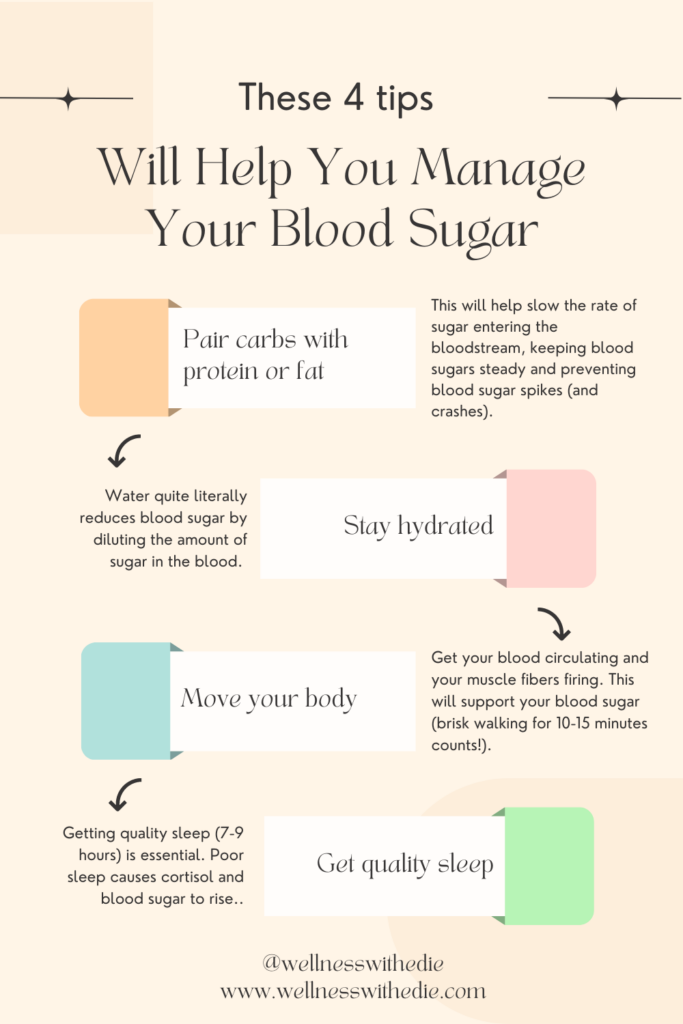
Without making drastic changes to your diet and lifestyle, there are several things you can do to help regulate your glucose levels.
Nutrition
Focus on foods high in fiber, healthy fats, and protein. Unlike sugar and refined starch, these foods help slow down the absorption of glucose in the bloodstream. When possible, start your day with a savory breakfast (eggs, cottage cheese, Greek yogurt, sautéed veggies with avocado toast, etc.) and enjoy your coffee after eating. After all, caffeine can spike blood sugar levels. When it comes to lunch and dinner, focus on fiber-rich vegetables (mushrooms, leafy greens, eggplant, summer squash, etc.), 4-6-oz. of high-quality protein, and 1-2 sources of healthy fats (avocado, olives, cheese, ghee, etc.).
See here for a list of foods that don’t spike blood sugar!
Exercise
Exercise is another crucial factor in maintaining healthy blood sugar levels. As your muscles soak up extra glucose in your bloodstream during exercise, your body becomes more insulin sensitive. Regular exercise helps lower blood sugar levels and reduce the risk of developing type 2 diabetes. That said, there’s no need for intense exercise. Rather, aim for consistency—10-30 minutes per day of steady-state cardio (walking, jogging, cycling, etc.) or strength training is great. Oh, and one of the best hacks is to go for a short walk after eating.
Blood Glucose Monitoring
If you want to take it up a notch, consider wearing a continuous glucose monitor (CGM). What is a CGM? It’s a wearable tech device that gives you direct insight into your health. It shows you how your food and lifestyle choices influence your blood sugar. Wearing one is truly a game-changer. Over time, it tracks your glucose patterns and responses to certain foods and habits. In turn, this data can help you reverse pre-diabetes and type 2 diabetes, improve pregnancy outcomes for gestational diabetes, empower your dietary choices, and more.
Sample Meal Plan to Support Female Hormones and Blood Sugar
When it comes to supporting your hormones and balancing blood sugar, what you eat—and how you pair your foods—makes a big difference. This simple, nourishing meal plan is designed to keep your energy stable, curb cravings, and support healthy hormone function throughout the day.
Morning Routine
- Upon waking: Big glass of filtered water with a pinch of sea salt + gentle movement (walk or stretching)
- Before coffee: Eat breakfast first to minimize blood sugar spikes
Breakfast: Savory Power Plate
Blood sugar benefit: Starting with protein + fat helps prevent the cortisol crash and promotes stable energy.
- 2 eggs (pasture-raised) scrambled in ghee or avocado oil
- 1/2 cup sautéed leafy greens (like kale or spinach)
- 1/2 avocado
- 1 slice sourdough or sweet potato toast
- Optional: sprinkle of hemp seeds or feta on top
- Coffee with a splash of unsweetened flax milk or full-fat coconut milk (post-meal)
Snack (if needed)
Blood sugar benefit: Keeps you satiated between meals without spiking insulin.
- 1 hard-boiled egg
- Handful of berries (blueberries or raspberries)
- 1 tbsp macadamia or almond butter for dipping
Lunch: Glucose-Friendly Bowl
Blood sugar benefit: Rich in protein, fiber, and healthy fats to keep you full and focused.
- 4–5 oz grilled chicken or wild salmon
- 1/2 cup cooked quinoa or lentils
- Large handful of arugula or mixed greens
- Cucumber, tomatoes, red onion, and olives
- Olive oil + lemon juice or tahini dressing
- Optional: sprinkle of pumpkin or sunflower seeds
Post-Lunch Movement
- 10–15 min walk to improve glucose uptake and digestion
Afternoon Snack (if needed)
Blood sugar benefit: Slows down glucose absorption, keeps energy steady until dinner.
- 1/2 small roasted sweet potato
- 2 tbsp cottage cheese or Greek yogurt
- Dash of cinnamon
- Optional: drizzle of tahini or ground flax
Dinner: Hormone-Supportive Stir-Fry
Blood sugar benefit: Grounding, protein-packed, and supports liver detox (important for estrogen metabolism).
- 4–6 oz grass-fed ground beef, turkey, or tofu
- Stir-fry with broccoli, mushrooms, carrots, and bell pepper
- Cooked in avocado oil or coconut aminos
- Serve over 1/2 cup cauliflower rice or brown rice
- Top with sesame seeds and fresh cilantro
Evening Routine
Optional: magnesium glycinate or a few squares of 85% dark chocolate; herbal tea (e.g., rooibos, chamomile, or spearmint).
This article is for informational purposes only. It is not, nor is it intended to be, a substitute for professional medical advice, diagnosis, or treatment and we recommend that you always consult with your healthcare provider.


