Step-by-Step Guide: How to Personalize Your Protein Needs
How much protein is truly necessary? And is there a magic number that works for everyone? Cutting right to the chase: protein isn’t one-size-fits-all. Your ideal protein intake depends on various factors—from your daily activity levels to your health goals (and even your age!). But with so much conflicting advice, it’s hard to know exactly how much protein you actually need. In this guide, we’re breaking down how to personalize your protein intake to fit your specific goals—whether you’re looking to build muscle, balance your hormones, minimize cravings, or support healthy aging. Let’s simplify the science so you can figure out what works best for your body.

Muscle Drives Longevity
What’s one of the main drivers behind living a longer, better, and healthier life? Strong muscles. Beyond improving everyday tasks (lifting groceries, climbing stairs, carrying little ones, etc.) building muscle—over fat—has major benefits for metabolic health. Muscles act as the body’s metabolic powerhouse, influencing your body’s comp, blood sugar regulation, and energy levels during illness. Interestingly, many adult health issues don’t stem from excess fat but from a lack of muscle. In other words, it’s about more than appearance—conditions like obesity, diabetes, and heart disease often start with weak muscles. What are the best ways to build and maintain muscle? Through resistance training and a protein-forward diet.
Who Benefits From a High-Protein Diet?
Everyone! A high-protein diet isn’t just for bodybuilders or athletes—it benefits all of us. Protein plays a critical role in many wellness goals, whether you’re trying to build muscle, balance blood sugar, or support reproductive health.
- Athletes: To support muscle growth, repair, and recovery after intense exercise.
- Women on their fertility journeys: Protein helps regulate hormones and supports reproductive health.
- Postpartum mamas: To aid recovery, maintain energy, and support milk production.
- Older adults: To preserve lean muscle mass and prevent age-related muscle loss (sarcopenia).
- Busy professionals: To stay full and maintain energy throughout a hectic day.
- Anyone trying to build muscle (and lose body fat): Protein helps with satiety and supports fat loss while preserving muscle mass.
- Those with blood sugar imbalances: To help stabilize blood sugar levels and reduce cravings.
- Vegans and vegetarians: To ensure they get enough protein from plant-based sources.
- If you struggle with digestive issues: Easily digestible protein powders (for smoothies) can gently meet protein needs without aggravating the gut.

How Much Protein Should You Eat in One Meal?
Scroll social media, and you’ve likely seen the recommendation of approximately 30 grams of protein per meal. This is considered the ideal range for supporting muscle repair, keeping hunger in check, and stabilizing blood sugar levels—ensuring your body gets the fuel it needs without overloading your system.
Muscle Protein Synthesis
- Research shows that consuming 20-40 grams of protein per meal is optimal for stimulating muscle protein synthesis, which is the process your body uses to repair and build muscle tissue after exercise.
- The threshold to stimulate MPS effectively is around 20 grams of high-quality protein. Going higher (up to about 40 grams) may provide additional benefits, especially for active individuals or those trying to build muscle.
Satiety and Blood Sugar Stability
- Protein helps keep you fuller for longer. In fact, it’s known as the most satiating macronutrient! It takes more time to digest compared to carbs and fats. This can help with leptin and ghrelin (our hunger and fullness cues).
- It also helps stabilize blood sugar levels, which can prevent energy crashes and cravings throughout the day.
Protein Distribution Matters
- Research suggests that distributing protein intake evenly throughout the day (I.e. 20-40 grams per meal) is more effective for muscle health than consuming most of your protein in one large meal.
- This can also be important for older adults (more protein is needed to prevent muscle loss).
P.s. My protein eBook is now available! With protein as the focal point, this guide covers it all—how much protein you need, animal vs. plant-based sources, how to choose the best protein bars, and so much more. Grab your copy here! Plus, it includes 30 (brand new) protein-rich recipes to spark creativity in the kitchen.
Examples of 30 Grams of Protein
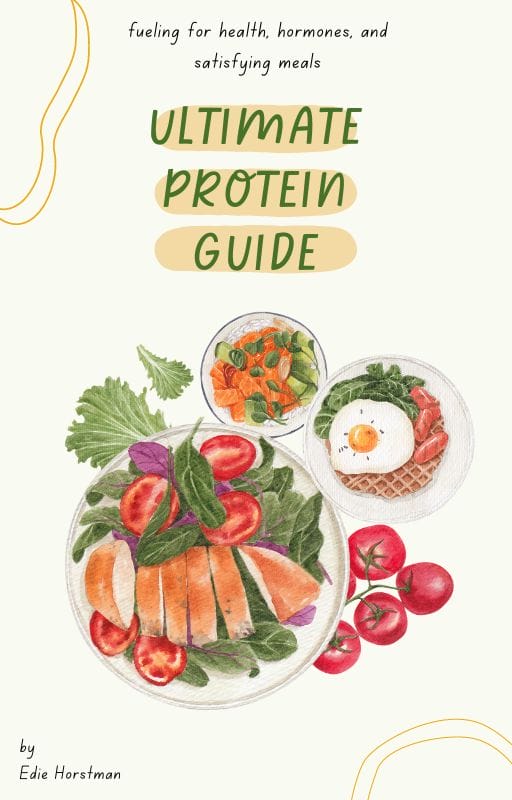
Below are everyday examples of protein sources that fall within this recommended range, helping you easily incorporate the right amount of protein into your diet—whether you’re focused on muscle building, weight management, or overall nutritional health:
Animal Protein Sources
- 3-4 oz (85-113g) of chicken breast: ~25-30g protein
- 4-5 oz (113-142g) of salmon or tuna: ~25-35g protein
- 3-4 oz (85-113g) of lean beef: ~22-28g protein
- 5-6 oz (142-170g) of Greek yogurt: ~20-25g protein
- 4-5 large eggs: ~24-30g protein
- 1 cup (240ml) cottage cheese: ~25g protein
Plant-Based Protein Sources
- 1 cup (240ml) of cooked lentils: ~18g protein
- 1 cup (240ml) of cooked quinoa: ~8g protein
- 1 cup (240ml) of edamame: ~17g protein
- 2 scoops of plant-based protein powder: ~20-25g protein
- 1 cup (240ml) of firm tofu: ~20g protein
Protein Combination Meals
- Chicken salad made with Greek yogurt and Ella’s Flats for scooping
- Roasted salmon with a side of quinoa and feta
- Tofu scramble with nutritional yeast and hemp seeds
- Savory cottage cheese bowl with soft-boiled eggs
These examples show various ways to consume 20-40 grams of protein through different food sources!

Is it Necessary To Measure Your Protein?
If you’re new to understanding portion sizes, weighing your food can be a useful tool for ensuring you’re getting the right portion of protein! By measuring your protein-rich foods, you can accurately track your intake and avoid underestimating portion sizes. This is particularly helpful if you’re looking to build muscle, lose body fat, or maintain a balanced diet. In essence, weighing your food takes the guesswork out of portioning, helping you stay on track with your nutritional targets.
If you have a history of an eating disorder, approach food tracking and weighing with caution. For some of us, focusing on precise measurements may trigger unhealthy thoughts or behaviors related to food. It’s always best to consult with a healthcare professional or therapist before incorporating food weighing into your routine (to ensure it’s done in a way that supports your mental and physical well-being).
How to Weigh Your Protein
To get your protein portion sizes correct, weighing your protein is a straightforward method to help meet your daily protein needs! Here’s how to do it effectively:
1. Invest in a Good Food Scale
A digital kitchen scale is an essential tool for accurately weighing your protein. Look for one that has a tare function (which resets the scale to zero) and displays measurements in grams and ounces. This ensures precise readings and makes it easier to track portions. I recommend this or this scale.
2. Weigh Before Cooking
When cooking proteins like meat or fish, it’s often best to weigh them raw. Cooking reduces the weight of food due to moisture loss, so a 4-ounce piece of raw chicken might weigh less after cooking, leading to underestimating the actual protein content. Weighing it before cooking ensures you account for the full serving size. Rather than put raw meat on your scale, turn your scale on, place a plate on it, then zero out the scale. After, place your fish or chicken on top. That will give you the accurate amount of ounces (without taking the weight of the plate into account)(.
3. Use Food Labels for Reference
Many packaged protein sources, like protein powders, Greek yogurt, or deli meats, have nutritional labels that specify the amount of protein per serving. Weighing these foods helps you align the serving size with the label’s recommendation. For example, if a protein powder serving is 30 grams, weigh it out to ensure you’re getting that exact amount.

The Nuance: It’s Not Just About Grams
All of that said, it’s not just about the grams. Protein quality matters. After all, not all proteins are created equal! High-quality proteins—like eggs, fish, lean meats, and legumes—contain a full spectrum of essential amino acids. These are crucial for muscle repair and overall health. If you eat plant-based, you’ll want to combine different protein sources to meet your amino acid needs (I.e. beans and rice!).
How to Choose a Healthy Protein Powder
You can tell a protein powder is healthy when it’s made with real, high-quality ingredients. Look for a short, recognizable ingredient list without artificial sweeteners, preservatives, or fillers. Healthy protein powders typically use whole food-based sources, like whey, pea, or egg protein, and may include natural sweeteners (like stevia or monk fruit). Avoid those with hydrogenated oils, added sugars, or chemical additives to ensure you’re choosing a clean, nutrient-dense option! My go-to protein powders for quality and purity are Just Ingredients and Equip Foods.
The Best Whey Protein
New Zealand-sourced whey is often regarded as the gold standard for whey protein—due to the country’s strict farming regulations and sustainable practices. Cows in New Zealand are typically grass-fed and raised without synthetic hormones or antibiotics, ensuring a cleaner, higher-quality protein. Additionally, the country’s pristine environment and commitment to ethical farming contribute to whey that is both nutrient-dense and free from harmful additives. This makes New Zealand whey my favorite choice for a premium protein source.

Are Protein Bars Healthy?
Protein bars can be convenient, but they’re not inherently nourishing (the same way whole foods are). As mentioned, their nutritional value depends on things like ingredients and processing—plus, your individual dietary needs. Ultimately, protein bars shouldn’t replace whole-food protein sources. It’s best to view protein bars as an occasional supplement—rather than a dietary staple.
1. Ingredients Matter
Like protein powders, not all protein bars are created equal. Some are made with high-quality protein sources, minimal added sugars, and clean ingredients. Others, however, are loaded with artificial flavors, preservatives, and excessive amounts of sugar, resembling candy bars more than health foods. Ideally, the ingredient list for bars and powders should include whole foods (rather than a laundry list of hard-to-pronounce chemicals).
2. They Should Supplement—Not Replace—Whole Foods
Protein powders and bars are designed to complement a balanced diet, not replace it. Whole foods, like lean meats, eggs, legumes, and nuts, provide a wider array of nutrients, fiber, and phytonutrients that most processed products can’t replicate. While these supplements are convenient, relying too heavily can lead to nutrient gaps or a lack of variety in your diet.
3. Potential Health Considerations
Some protein powders and bars may cause digestive discomfort—particularly those with added sugar alcohols or low-quality protein sources. Others may contain allergens (like dairy or soy), which could trigger sensitivities. Additionally, some protein powders have detected heavy metals or contaminants, emphasizing the need to choose reputable brands.
Curious to know my go-to protein bars? I have a full list in my Ultimate Protein Guide.

Not sure which protein powders and bars are best? You’ll find my top recommendations in my protein eBook. With protein as the focal point, this guide covers it all—how much protein you need, animal vs. plant-based sources, how to choose the healthiest protein supplements, and so much more. Grab your copy here! Plus, it includes 30 (brand new) protein-rich recipes to spark creativity in the kitchen.
Start with Tracking Your Protein Intake
Before you make changes to your diet, first figure out how much protein you’re eating in a day. To track, either use a food journal or an app like Cronometer. Check nutrition labels for packaged foods, online resources (I.e. if you’re eating at a restaurant), or incorporate a kitchen scale. Add up the protein grams for everything you eat in a day to see if you’re hitting your target. Do this for 3-5 days!
How to Calculate Your Daily Protein Needs
After you determine how much protein you’re currently eating, then you can calculate how much you should be getting. This number may be on par with how much protein you’re consuming—or it may be a lot higher! If that’s the case, don’t fret. Aim to slowly increase your protein intake by 5-10 grams every day until you reach your approximate protein goal. Here’s how to figure out how much protein you need each day.
Step 1: Figure out your goal
Regardless of whether you’re trying to maintain your muscle mass, put on muscle, or lose body fat, aim for 1 gram of protein per pound of ideal body weight. For example, if you weigh 130 pounds and are trying to maintain your weight, you’d aim for about 130 grams of protein per day. Say you weigh 180 pounds and are trying to lose 20 pounds, you’d aim for about 160 grams of protein per day. Make sense? What does that look like in kilograms: you’d aim for 1.2-1.6 grams per kilogram of body weight. Note that this is well above what the standard has been for decades s (collectively, we’re not eating enough protein).
Step 2: Spread out your protein
Once you have your daily protein target, you’ll want to spread it out across meals to optimize muscle protein synthesis (MPS). Here’s why:
- The body can only effectively use a certain amount of protein at once to build muscle—typically around 20-40 grams per meal.
- Eating protein at regular intervals (every 3-4 hours) can help stimulate MPS throughout the day and prevent muscle breakdown.
Example:
For a daily target of 130 grams of protein:
- Divide it into 3 meals: 40-45 grams per meal.
- Or, divide into 3 meals + 1-2 snacks: 30 grams per meal, with smaller protein snacks.
Step 3: Adjust based on your goals
1. Building Muscle / Strength Training
- Aim for the higher end of the range (upwards of 40 grams per meal) since your muscles need more amino acids to repair and grow.
- Consider adding a protein-rich snack post-workout (like a protein smoothie or Greek yogurt mixed with protein powder) to maximize muscle recovery.
2. Fat Loss
- Prioritize protein to preserve muscle mass while in a calorie deficit.
- Aim for 25-35 grams per meal, as protein helps increase satiety, which can curb cravings and reduce overall calorie intake.
3. Improving Satiety and Blood Sugar Management
- If you struggle with blood sugar swings or hormone imbalances, balancing protein with healthy fats and fiber is essential!
- Aim for 20-30 grams of protein per meal to slow down the digestion of carbs, leading to steadier blood sugar levels.
4. Supporting Aging and Muscle Preservation
- As we age, our bodies become less efficient at utilizing protein, so older adults may need 30-40 grams per meal to maintain muscle mass and strength.
- Focus on high-quality protein sources rich in leucine (e.g., eggs, dairy, lean meats, legumes).
Step 4: Choose high-quality protein sources
As mentioned, not all protein sources are created equal. Here’s how to ensure you’re getting the best sources:
- Animal-based proteins (I.e. organic chicken, wild-caught fish, pasture-raised eggs, organic cottage cheese, or grass-fed beef): These are complete proteins with all nine essential amino acids, particularly high in leucine, which is crucial for muscle protein synthesis.
- Plant-based proteins (I.e. lentils, chickpeas, quinoa, tofu): While often lower in certain amino acids, combining different plant sources (like rice and beans) can make them more complete.
- For vegetarians/vegans, consider adding supplemental protein like a vegan powder to meet daily targets.
Step 5: Practical protein examples
Here’s a list of common foods and their protein content:
| Food (Serving Size) | Protein Content |
|---|---|
| 3 oz (85g) chicken breast | 26g |
| 1 cup Greek yogurt | 20g |
| 1 scoop protein powder | 20-25g |
| 1 cup cooked lentils | 18g |
| 3 oz salmon | 22g |
| 1 cup cottage cheese | 25g |
| 1 cup cooked quinoa | 8g |
| 2 eggs | 12g |
| 2 tbsp peanut butter | 8g |
Step 6: Adjusting for individual preferences
- Intermittent Fasting or 2-Meal a Day Approach: If you eat fewer meals, you may need 40-50 grams of protein per meal to hit your daily target.
- Low Appetite? Focus on protein-dense foods like eggs, protein shakes, or lean meats, which pack more protein into smaller servings.
- Higher Appetite? Add more volume with protein-rich foods like legumes, tofu, or low-fat dairy, which can fill you up without excess calories.
The Bottom Line: Eat More Protein for a Healthier You
Ultimately, understanding your protein needs (and incorporating a balanced amount into your daily routine!) can have a significant impact on your overall health. Whether you’re building lean muscle, supporting your metabolism, or simply maintaining optimal energy levels, the key is consistency. By tracking your intake, choosing quality sources of protein, and adjusting according to your goals, you’ll be better equipped to nourish your body and feel your best every day. Remember, protein isn’t just about quantity—it’s about fueling your body with the right nutrients to thrive, now and decades down the road.