Just like that, we’re in the thick of back-to-school season. It’s a time of transition, full schedules, and for many—the inevitable lunch packing frenzy. Speaking of transition, September marks the shift between summer and fall produce. While most of summer’s fruit is still at peak harvest, it’s not long before beets and Brussels sprouts will replace ripe tomatoes. Naturally, produce peaks at different times, so use this as a general guide. Alas, farmers markets are still bountiful and home gardens are bursting at the seams. Without further ado, let’s dive into produce in season—September edition. Consider this is your September 2023 produce guide: a cheat sheet for what’s in season this month.
Autumn Eating via Ayurveda
First and foremost, what is Ayurveda? In essence, it’s a natural system of medicine. Ayurveda divides the year into three seasons, based on the predominant dosha associated with each. Autumn has two doshas: early autumn, governed by Pitta, and late autumn, governed by Vata. As such, dietary recommendations for this time of year can be confusing. Ultimately, it comes down to focusing on seasonal foods. This September 2023 produce guide provides just the antidote you need to balance the transition from summer’s Pitta months to Vata-ruled winter.
Ayurvedic TIPS FOR FALL
For the time being, Ayurveda encourages feasting on plenty of fresh, late-summer harvested fruits. Namely, fresh apples and pears. According to Ayurveda, these help “dry out” excess Pitta from the summer. When it comes to apples, green or tart ones are best—particularly for blood sugar balance. These fruits also provide fiber, which helps move waste out of the gut, priming it to digest the heavier foods of winter. Eggplant, corn, melons, figs, and okra are also seasonal produce picks for early fall. Once the air becomes crisp and cool, it’s time to transition to steamed or stewed fruits and warming spices (cinnamon, cardamom, etc.).
autumn meal plan
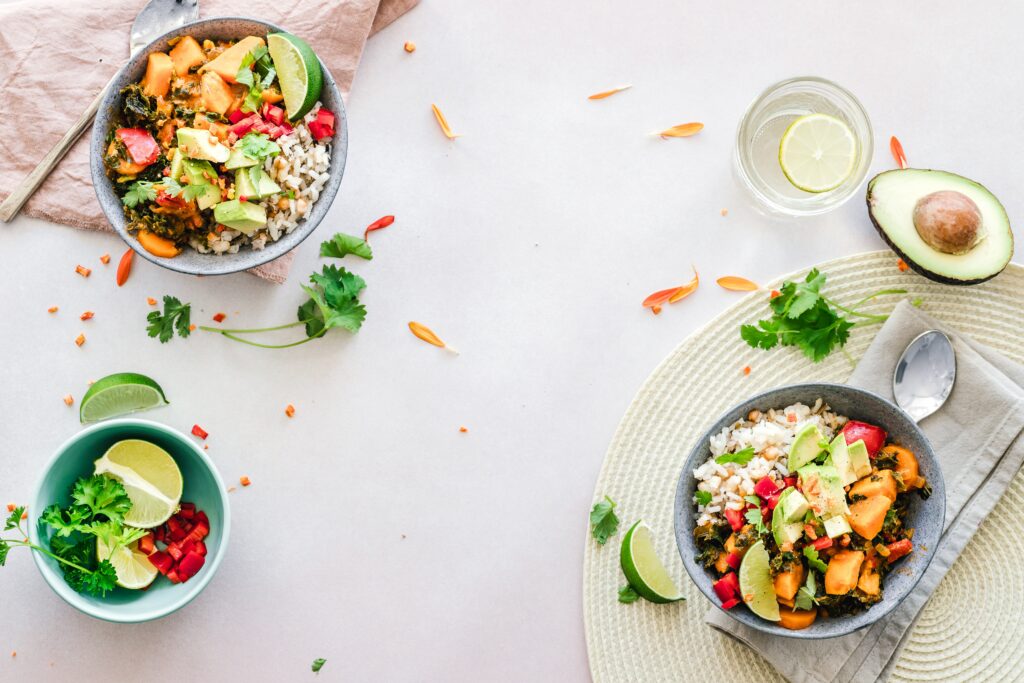
With Ayurvedic principles in mind, below is a sample autumn meal plan.
Breakfast:
- Warm oats, cooked with chia seeds, ground flaxseed, and a scoop of vanilla protein powder; topped with chopped apple, ghee, and cardamom
- Spiced latte: warm coffee or black tea with milk of choice, frothed with one teaspoon pumpkin, and a dash of pumpkin pie spice
Lunch:
- Acorn squash, roasted in coconut oil with sea salt, granulated garlic, and black pepper
- Protein of choice (rotisserie chicken, eggs, tofu, etc.)
- Avocado
- Warm clove tea (prepare by boiling 4-5 whole cloves in 8 oz water)
Dinner:
- Soup made with boiled vegetables, stewed tomatoes, bone broth, and chickpea pasta; spice to taste with curry seasoning, sea salt, and black pepper
- Sprouted grain bread, spread with ghee
- Ginger or chai tea with milk of choice
September 2023 PRODUCE GUIDE
Like August, September is all about end-of-summer fare. Tomatoes, peaches, and corn are still in season. Summer squash and winter squash collide, as strawberries and blueberries make way for apples and pears. In the spirit of eating seasonally, below are the ingredients to focus on in September. And if you’re wondering what you should buy organic, prioritize apples, berries, grapes, and tomatoes.
Apples
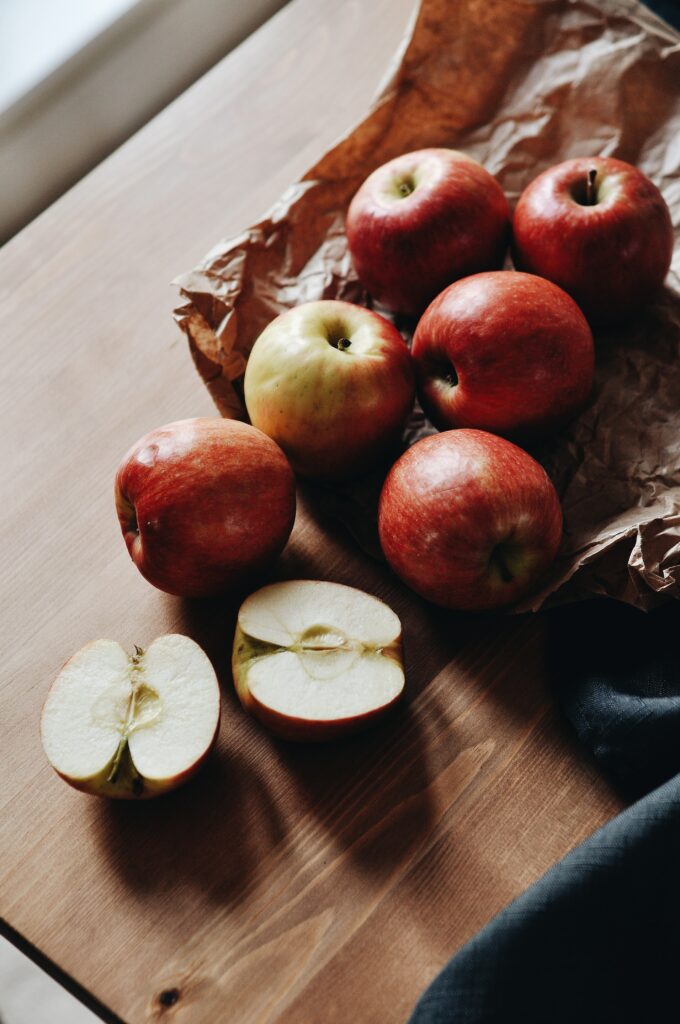
It’s time to start stocking up! Apple season is here. I love crisp, chopped apples in salads with goat cheese and apple slices dipped in almond butter. Apples sautéed apples in coconut oil and cinnamon, are the best yogurt or oatmeal topping. When possible, opt for organic apples. Conventionally grown apples are highly sprayed with pesticides (then coated with wax).
BLACKBERRIES
Yes, blackberries are still in season. These delicious fruits offer several health benefits, and they capture the essence of summer in their sweetness. They’re packed with vitamin C, fiber, and antioxidants. Enjoy them on ice cream, yogurt, in smoothies, in salads, or atop cottage cheese. Juicy, sweet blackberries are a snack in themselves, but they’re also lovely on chia pudding and make a simple dessert when served with whipped cream.
CArrots
While they’re a year-round supermarket staple, carrots actually have two seasons. There’s a late-spring crop as well as a fall crop. Early-season carrots are sown in the winter and very early spring and protected with plastic or fleece covers. They are harvested from June through to August. Green top carrots are sown in the open ground in spring and are harvested from August until the first frosts start to appear. Raw carrots are fantastic for balancing hormones (especially if you’re estrogen-dominant)!
Cranberries
It’s slightly early for fresh cranberries, but in the U.S., cranberries are only harvested in the fall and should be available at your local grocery store from September through January. You can eat them raw, pulse them into a relish, or blend cranberries into a super nutritious smoothie. They also freeze beautifully.
cORN
Here in Colorado, corn is still in full swing. Now’s the time to grill it and enjoy in a salad with chicken, fish, steak, or fresh burrata.
Figs
There are two seasons for domestic fresh figs: the first season is the first few weeks in June, and the second or “new wood” season typically runs from August through October. If you see them at your grocery store, buy them only if you plan to use them quickly. Fresh figs will spoil within 7-10 days of harvesting. In most cases, this means you have a couple of days to enjoy them at home. They’re delicious paired with cheese, on toast, in salads, and in yogurt bowls.
Grapes
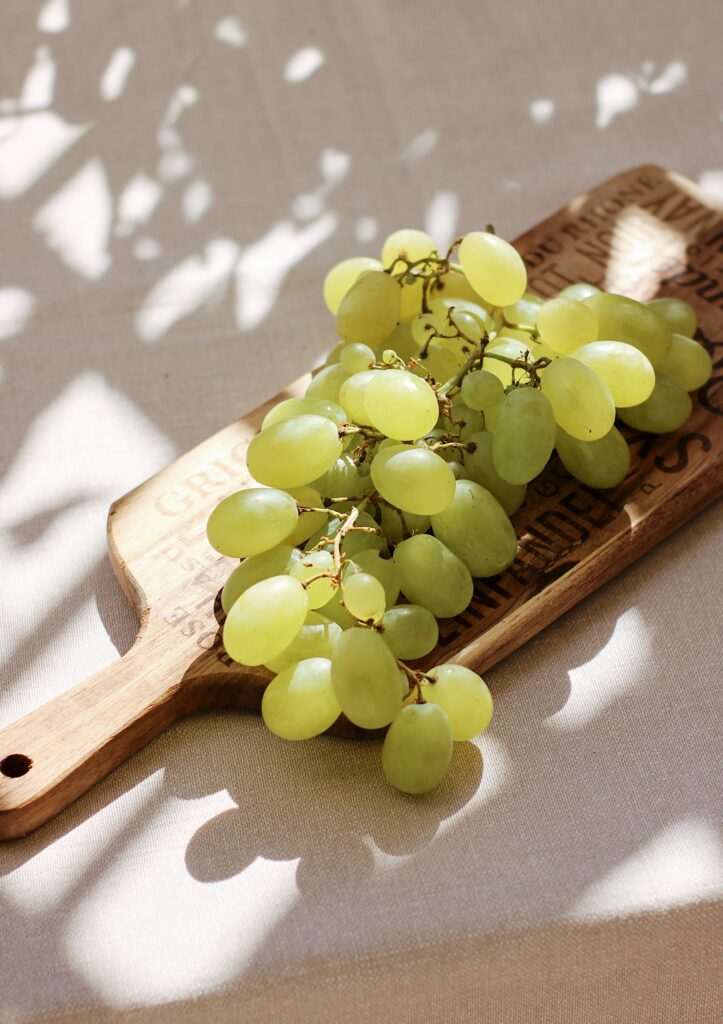
Although farmers offer grapes year-round, the peak of the domestic grape season is now: late-summer. Another highly sprayed fruit, opt for organic grapes! We know them as the sweet fruit fermented for wine and dried to become raisins, but are grapes good for you? Absolutely. In addition to their versatility, grapes are rich in vitamins, antioxidants, and nutrients. The skin of red grapes contains resveratrol, which supports heart function. From a nutrition perspective, red and green grapes are very similar. However, red grapes contain larger amounts of antioxidants.
Peaches
Thanks to our generous amount of sunshine in Colorado, we enjoy a long peach season! If you live in Colorado, Palisade peaches are a must. That said, many peach varieties are grown in a number of regions throughout the U.S.
Pears
Like apples, there are a variety of pears to choose from. Most likely, the recipe you’re making will determine which pear you buy. For example, if you’re making a cheese plate, opt for winter pears (also called Danjour pears or Anjou pears). This variety works best with cheeses that won’t overpower their flavor. That said, there are endless ways to use pears—this salad with walnuts is delicious—as is this pear crisp. If you’re looking for a ripe pear to eat immediately, find a browner or more yellow-colored pear with no green undertones. There should be no soft spots on the pears, and it should be fairly firm.
PEPPERS
Nothing beats a bell pepper at the peak of the growing season―which runs from July through November―when it’s crisp, juicy, and full of sharp flavor. I’m currently on a grilled pepper kick, but they’re perfect with hummus, baba ghanoush, or tzatziki. Add them to salads or sandwiches. Stuffed peppers are so satisfying, too.
RASPBERRIES
All hail the mighty raspberry. Juicy, perfectly sweet, and a wonderful addition to everything from salads to a bowl of ice cream, raspberries are as versatile as they are nutrient-rich. Choose berries that have a bright red color. Raspberries should always be refrigerated and kept dry until just before serving. Be sure to properly store your raspberries. See here for my producing storing tips!
SUMMER SQUASH
As with July, August is the perfect time to savor just-harvested summer squash. Summer squash’s peak season is June through late August. I love adding this versatile ingredient to stir-fries, frittatas, and fish en papillote.
TOMATOES
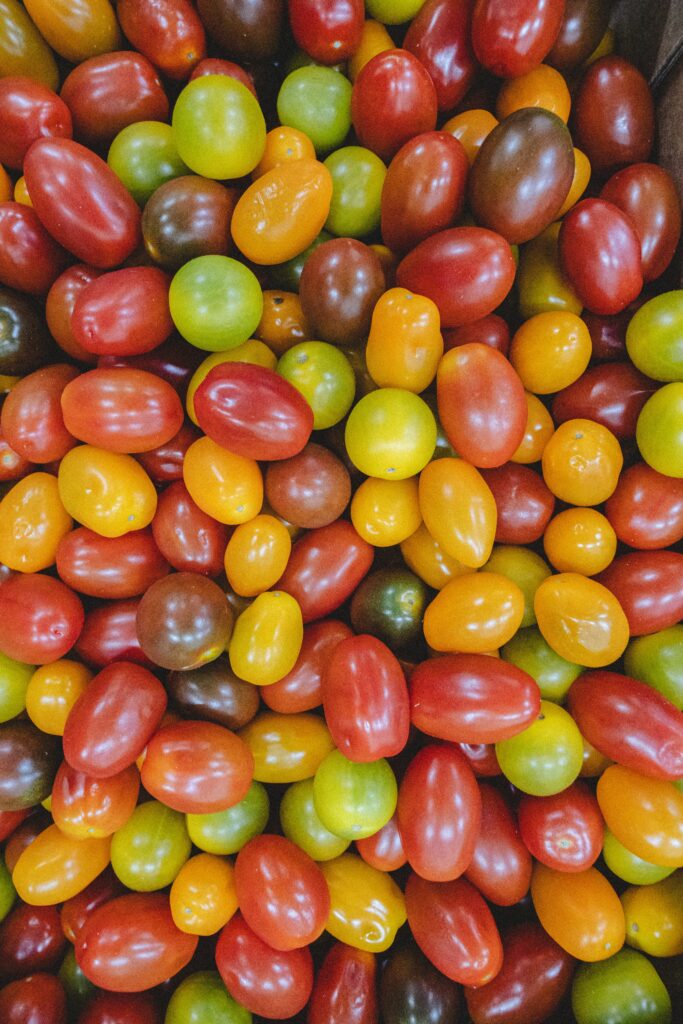
These juicy, versatile fruits (yes, fruits!) are irresistible in the summer. This is my favorite way to eat heirloom tomatoes, but this caprese salad with avocado is a weekly staple.
Images courtesy of Unsplash. This article contains affiliate links. Thank you for supporting Wellness with Edie.



Leave a Reply