In more ways than one, what you eat is either helping or hurting your hormones. Said differently: your diet plays a significant role in hormone balance. Not only does food support hormonal production, but proper nutrition also helps you maintain a healthy menstrual cycle. The right foods—and the right balance of these foods—can ensure hormonal health. Au contraire, consuming too many inflammatory oils, processed foods, and sugar can cause imbalances. Suppressing your hunger can cause dysregulation, too. If you currently struggle with PCOS, an absent / irregular cycle, or other hormonal woes, eating to heal hormones will change your life. Trust me. What you put in the tank (your body) matters.
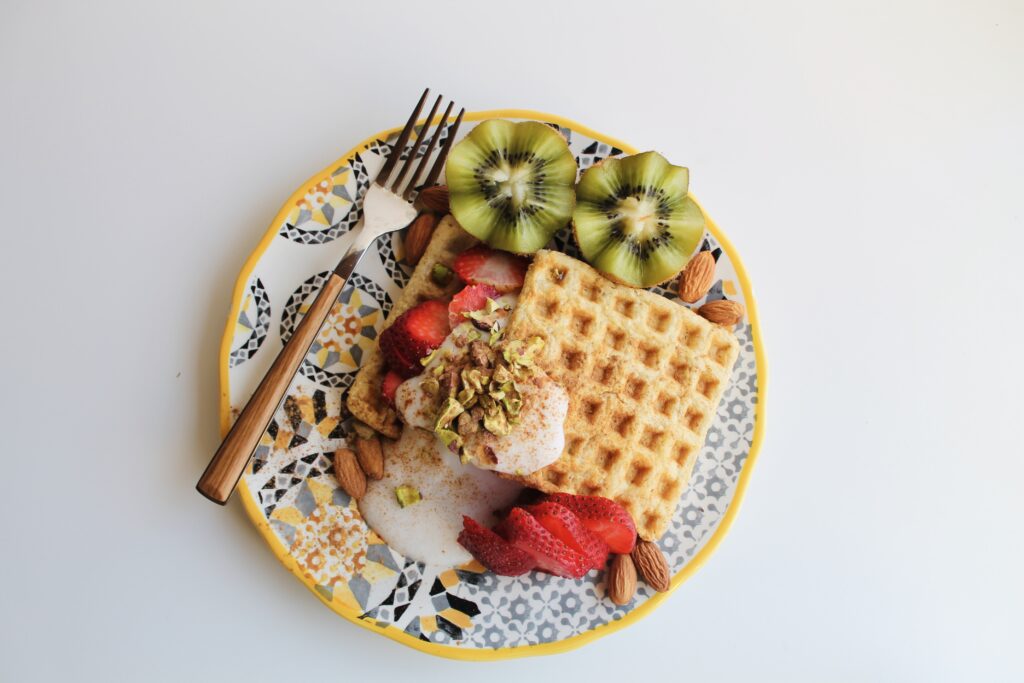
WHY is HORMONE balance IMPORTANT?
Your overall welling is significantly correlated to your hormone health. Hormones are your body’s chemical messengers, and they control practically all major processes. They regulate growth, sex drive, sexual development, reproduction, metabolism, fertility, and more. Simply put, they let the body know what to do—and when to do it. Balanced hormones help your body function properly. However, when your hormones are unbalanced, things can go awry. Think: unwanted weight gain, an irregular period, PCOS, low libido, digestive woes, poor sleep, PMS, and more. While the endocrine system is complex, there are simple things you can do to support your hormones.
HOW TO BALANCE YOUR HORMONES, NATURALLY
Before we dig into the specifics of eating to heal hormones, let’s talk bigger picture. What are diet and lifestyle tips to support hormone balance? Generally speaking, you want to focus on a nutrient-dense diet. Meaning, focus on whole—minimally processed—foods. Think: avocados, bone broth, eggs, wild-caught fish, sweet potatoes, greens, etc. If possible, get your gut health on track and up your supplement game. Beyond food and supplements, you also want to remove hormone disruptors from your home and incorporate stress relief habits. In the very least, begin by getting blood work done with a healthcare practitioner who specializes in hormone balance.
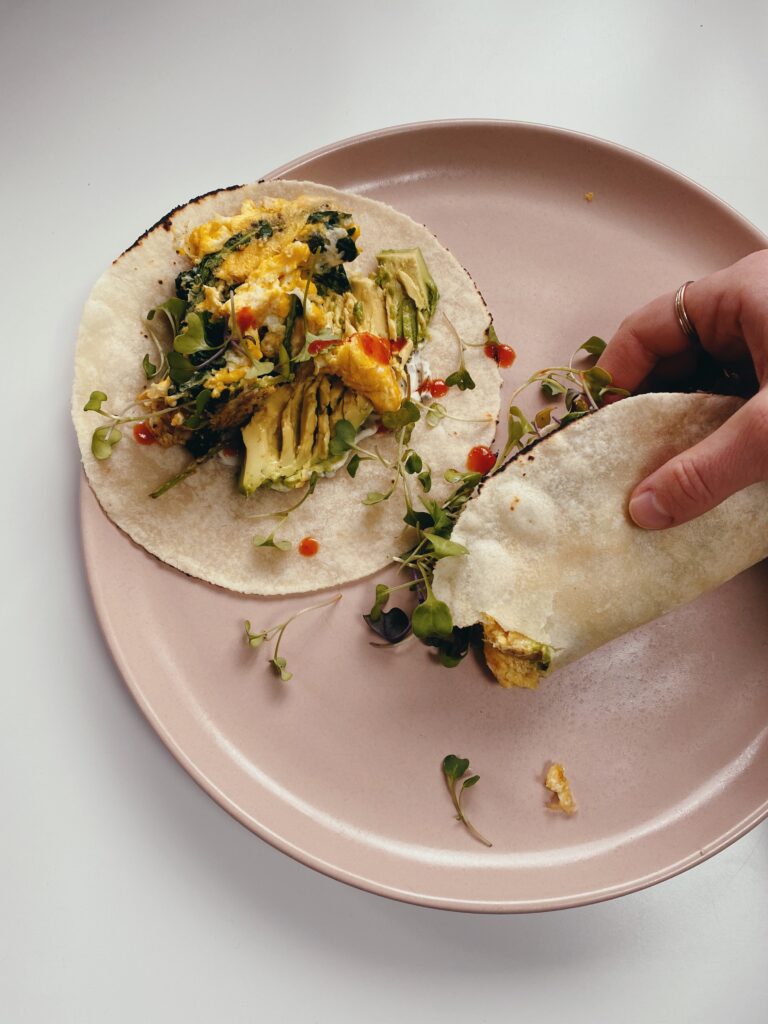
don’t cut carbs
First and foremost, don’t cut carbs. Instead, keep your plate balanced. When having a bowl of pasta, try to choose 100% whole grain pasta, or an alternative, like a chickpea or lentil-based pasta. Additionally, add protein and healthy fats. This could look like having grilled chicken on the side, sautéed shrimp, as well as a pesto-based sauce. Protein and fat don’t cause the same blood sugar spike as carbs, so they’re helpful to have on your plate.
Manage your stress
Chronic stress causes everything from cortisol (our stress hormone) to blood sugar to increase. Beyond implementing mindfulness practices during the day, figuring out your stress triggers, etc., consider taking a relieving supplement. This is my favorite blend of adaptogens to help fight stress. And this is my daily de-stress app.
Get quality sleep
Clock your zZz’s. Getting quality sleep (7-9 hours) is essential. Like stress, lack of sleep (or consistent sleep) causes cortisol and blood sugar to rise. Here are helpful ideas for a calm nighttime routine. Along with doing a nighttime meditation, you may also benefit from taking a supplement or CBD tincture before bed.
Move your body
Last but not least, move your body. This doesn’t mean you need to begin a daily HIIT routine. In fact, that may cause more harm than good. Instead, opt for 15-30 minutes of strength training, go for a brisk walk, unroll your yoga mat, or dance in your kitchen. Anything you can do to get your blood circulating and your muscle fibers firing will support hormone balance.

Eating to heal hormones: 8 foods to prioritize
Without further ado, below are the best foods to eat on a hormone balancing diet plan. Incorporate these nourishing ingredients for breakfast, lunch, dinner, and snacks! They’re rich in nutrients, help balance blood sugar, and can be incorporated in a variety of ways.
1. AVOCADO
All hail the mighty avocado. Eating a varied, seasonal diet—including fatty acids—is important for balanced hormones. After all, healthy fats are hormone builders. In other words, hormones are produced using good fats. Without sufficient dietary fat, women’s bodies don’t have the building blocks to make hormones. How much fat you need, on a daily basis, is unique to your body. But as a good rule of thumb, incorporate 1-2 sources of healthy fats per meal. Snacks, too! And of course, make sure you’re eating enough. Rich in monounsaturated fats, along with fiber, potassium, magnesium, vitamin E, B vitamins and folic acid, avocados are critical for maintaining hormonal balance.
2. COCONUT
Another source of healthy fats, coconuts are practically a superfood. Coconut oil, specifically, contains the highest natural source of lauric acid. Not only is this healing to the skin, but it’s hugely beneficial to hormone production. Research shows that coconut oil’s fatty acids actually help hormones get to where they want (and need) to go in the body. They support the creation, processing, and elimination of estrogen and progesterone, leading to hormonal balance. Furthermore, thanks to its special medium-chain fatty acids, coconut oil acts as an energy-burning powerhouse. You can add frozen coconut chunks to smoothies, add a teaspoon of coconut oil to your morning coffee, stir coconut butter into your oatmeal, or make rice with full-fat coconut milk.
3. GROUND FLAX AND CHIA SEEDS
Both ground flax and chia seeds are hormone balancing heroes. Chia seeds, in particular, ease PCOS symptoms because they help eliminate excess estrogen. Flaxseeds also do the same. Flax and chia are high in fiber, essential for proper elimination. They’re also rich in omega-3 fatty acids, supporting the health of our cell membranes. These membranes control the traffic of nutrients (and hormones) in and waste, out. Click for my coconut chia pudding recipe!
4. WALNUTS
Hormone balance is also about balancing omega-3 fatty acids and omega-6 fatty acids. Omega-6 fatty acids are pro-inflammatory, while omega-3 fatty acids are anti-inflammatory. We need some omega-6 fatty acids, but the standard American diet contains too many pro-inflammatory oils. By avoiding pro-inflammatory fats (like processed vegetable oils and processed foods containing them)—and increasing your omega-3 intake—you can get the right balance of building blocks for hormones. Eating walnuts is one of the ways to consume more omega-3 fatty acids! Walnuts also help stabilize blood sugar, which is key for hormone balance.
5. RAW CARROTS
Did you know that estrogen dominance is an underlying cause of PMS, hormonal acne, and fertility issues Along with seed cycling, consider eating more carrots! Raw carrots, specifically, have been found to support healthy estrogen levels (thanks to their undigestible fibers). These fibers prevent the reabsorption of estrogen from the intestine, meaning the liver can more effectively regulate estrogen metabolism. Foods like carrots and coconut oil can have a huge impact on both hormones and immunity. You can make a raw carrot salad with one medium carrot, a drizzle of olive oil, a drizzle of melted coconut oil, a dash of apple cider vinegar, and a pinch of salt. Feel free to add chopped cilantro, basil, or dill! Simply grate your carrot and mix evenly with oil, vinegar, and salt.
6. CITRUS
When it comes to balancing progesterone levels in the body, citrus is king. Lemons, limes, oranges, and grapefruit contain vitamin C. And vitamin C has been shown to be vital for hormone production and maintenance, as it stimulates the production of progesterone levels. This is especially important during the luteal phase. You can enjoy citrus in many forms, but my favorite is via the adrenal cocktail! This unique combination of orange juice and coconut water helps balance potassium and electrolytes in the body.
7. HIGH-QUALITY ANIMAL PROTEIN
Like carbs and fat, protein is essential for supporting hormone health. Protein helps hormones communicate with different parts of the body. It’s a macronutrient, for a reason! Adequate protein intake is also essential for blood sugar balance, repairing DNA, and supporting a thriving metabolism. Furthermore, protein contributes to managing your body’s secretion of hunger hormones. It helps keep you satiated! The sky’s the limit when it comes to protein options: organic cottage cheese, organic chicken, grass-fed steak and beef, organic turkey, pasture-raise eggs, full-fat / organic dairy, wild-caught salmon, etc. When possible, choose organic, pasture-raised, or wild-caught animal protein. These are more nutritious and contain minimal pesticides.
8. EXTRA-VIRGIN OLIVE OIL
Like other healthy fats, the monounsaturated fats found in olive oil can help create more responsive and healthy cell membranes, allowing hormone communication to flow. Furthermore, the omega-3 fatty acids found in olive oil can reduce insulin resistance, a common feature of women with PCOS. Additionally, olive oil signals the brain to produce hormones that make you feel full, thus reducing your appetite. Last but not least, research shows that extra-virgin olive oil contains potent anti-inflammatory actions. These help decrease inflammation in the body, further supporting hormone balance. This is my favorite extra-virgin olive oil! Keep in mind that extra-virgin olive oil is the least processed form of olive oil. Due to this, it retains its natural antioxidants and vitamins, which are often lost during processing.
The worst foods for hormone balance
Take this list with a grain of salt. However, most experts agree that if you’re trying to balance your hormones, the foods to avoid include: processed sugar, fried foods, alcohol, conventionally-grown grains (bread, cereal, pasta, etc. that isn’t organic), low-fat dairy (instead, opt for organic / pasture-raised full-fat dairy!), and factory farmed animals.
Do I need to avoid gluten and soy?
If you’re eating to heal hormones, you might be wondering—what about gluten and soy? Not only are these demonized on social media, but various schools of thought encourage limiting these ingredients to achieve hormone balance. So, what does the research actually say?
Gluten
All hail a thick slice of sourdough. Gluten brings with it claims of causing leaky gut and inflammation. Inflammation is a top root cause of hormonal imbalance, but is gluten—in and of itself—to blame? Outside of a true gluten sensitivity or celiac disease, there isn’t significant research to prove that avoiding gluten is beneficial for hormone balance. Rather, it’s more important to think about the quality of gluten you’re consuming. When in doubt, choose organic grains. Opt for packaged loaves with minimal ingredients and no added sugar. Ultimately, removing grains may help hormones balance short term (by means of lowering acute inflammation), but it’s not necessary, long-term. Most women can work on rebalancing their gut microbiome so that they can consume grains as a part of a healthy, well-rounded diet.
Soy
When it comes to hormone balance, soy is also highly debated. It’s widely studied for its estrogenic and anti-estrogenic effects on the body. Studies may seem to present conflicting conclusions about soy, but this is largely due to the wide variation in how soy is studied. Good news: results of recent population studies suggest that soy has either a beneficial or neutral effect on various health conditions. Soy is a nutrient-dense source of protein that can be consumed, beneficially, in moderation. When possible, opt for unprocessed, organic, and fermented soy. Think: tempeh, miso, and tamari. Caveat—women with estrogen-dominance hormonal imbalance conditions are particularly sensitive to the phytoestrogens in processed soy (this includes endometriosis, PCOS, fibroid sufferers and those with ovarian cysts). At any rate, it’s best to consume your soy intake with your doctor or healthcare provider.
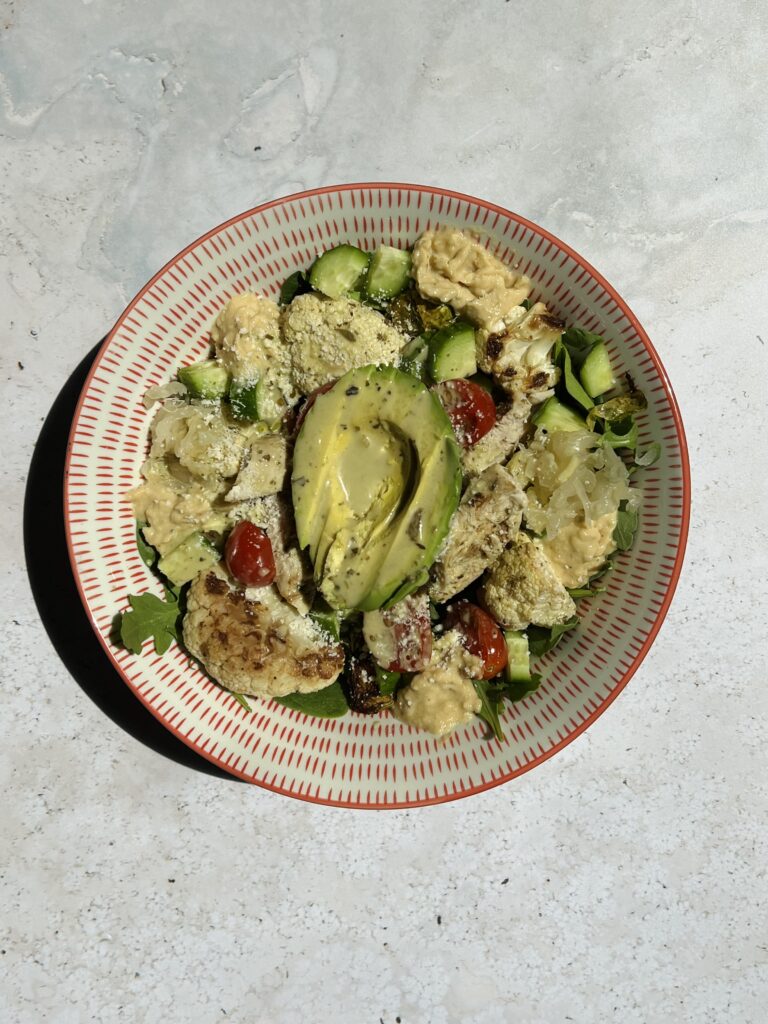
Hormone balance ebook
Ready to take the next step in your hormone-healing journey? Grab your copy of Master Your Menstrual Cycle—my holistic guide to balancing your hormones with ease. Available for only $15!
This article is for informational purposes only. It is not, nor is it intended to be, a substitute for professional medical advice, diagnosis, or treatment and we recommend that you always consult with your healthcare provider.


Leave a Reply