There’s nothing quite like biting into a sweet pear—straight from the orchard—greens pulled from the garden, or sweet potatoes fresh from the farmers market. When it’s in season, produce tastes better. Knowing what is at peak during the month of October will help guide your shopping list and meal planning. Luckily, the fall brings forth quite a variety of fruits and vegetables to savor. Without further ado, let’s dive into produce in season—October edition. Consider this is your October 2023 produce guide: a cheat sheet for what’s in season this month.
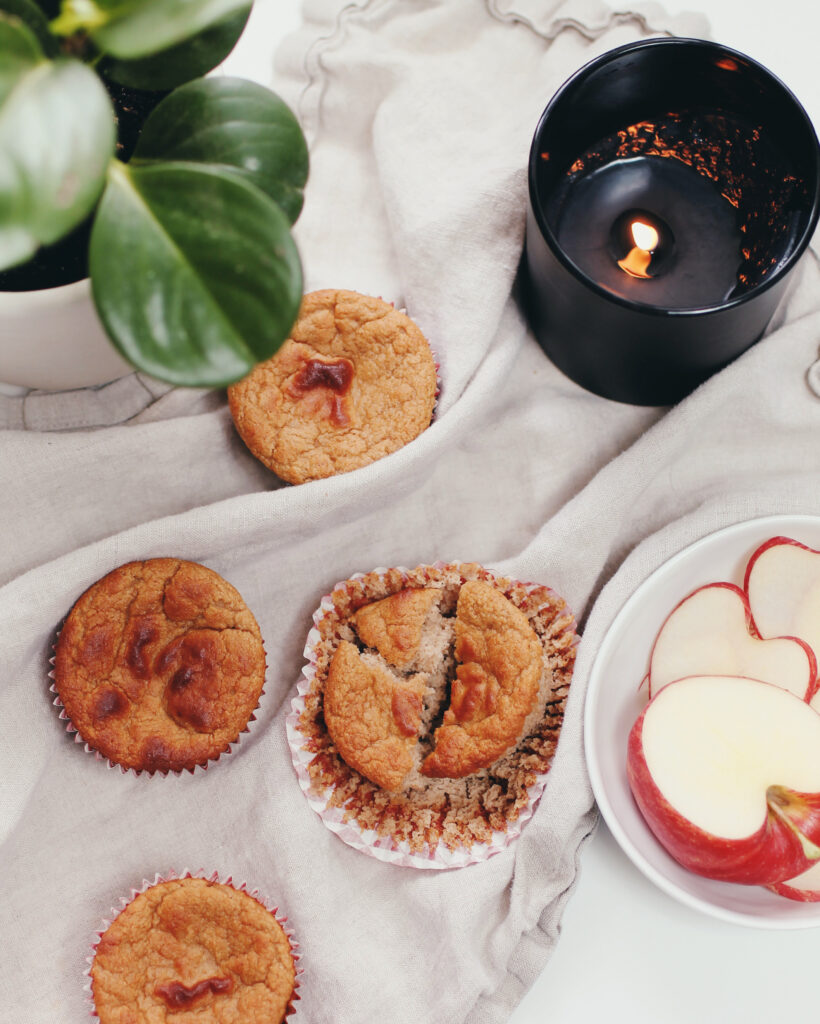
RECIPE: APPLESAUCE BLENDER MUFFINS
clean your pantry in october

This time of year, starchy vegetables are a dime a dozen. So, how can you use them as the focal point to create nourishing, budget-friendly meals? Begin by taking inventory of your pantry. In the process, you’ll likely find a box of pasta or a bag of rice that is almost expired. Great! Use any grains or legumes as the base for a fall-inspired dinner. Whether you’re in a time crunch or feel overwhelmed by your soon-to-expire pantry items, simple recipes are the solution. Using pantry staples—like chickpeas, beans, and rice, along with frozen vegetables and meat—you can build an impressive dish with minimal ingredients.
HOW TO CREATE HEALTHY, SEASONAL MEALS
Using the following October 2023 produce guide—and the tips and tricks below—say hello to delicious, family-friendly meals that keep your budget in check.
MEAL PLAN
Planning your meals can help you avoid buying packaged items you don’t need or fresh veggies that might go bad. Meal planning also helps you avoid eating out on a regular basis. Find a couple of recipes to make (breakfast, snacks, and dinner sides), check your pantry to see what you already have on hand, then make your grocery list. By planning, you’ll spend less money and waste less food.
COMPARE OPTIONS
Between e-commerce stores like Thrive Market and Brandless, it’s always helpful to spend a few minutes comparing prices. You can also sign up for grocery store apps (like Sprouts) to see what’s on sale. Doing a bit of homework can help you stay within your budget. Another way to compare is by thinking about serving size.
BUY IN BULK
Speaking of sweet potatoes, buying in bulk can be more economical. In essence, buying in bulk is cheaper because it costs the manufacturers less to sell the item in larger quantities (see above!). I love buying ingredients like nut butter, lentil-based pasta, olive oil, and organic meat at Costco. Some of the cheapest ingredients to buy in bulk are oats, beans, rice, frozen vegetables, and bananas.
EMPHASIZE WHOLE FOODS
As a helpful rule, first shop the perimeter of the store. This will make you more likely to fill your cart with fruits, veggies, and protein. In other words, whole foods. While processed foods tend to be less expensive than most fresh foods, that is because the U.S. government subsidizes the producers of those main ingredients (i.e. corn and wheat). In turn, that helps keep crop prices low. These aren’t nearly as nutrient-dense as whole foods, which contain a vast array of nutrients.
SHOP THE FROZEN SECTION
Typically just as nutritious as their fresh counterparts, frozen fruits and veggies are less expensive and available year-round. Picked and packaged at their height of ripeness, freezing seals in nutrients (and flavor). With the shelf life being much longer, you can prolong the frozen fruit or veggie’s use. Organic frozen produce is usually sold in large bags, allowing you to use only what you need and keep the rest in your freezer.
October meal plan
With seasonal eating in mind, below is a sample autumn meal plan.
Breakfast:
- Protein-packed oats, topped with raw pumpkin seeds and blackberries
- Latte: coffee, matcha, or black tea with frothed milk of choice
Lunch:
- Cup of butternut squash soup
- Protein of choice on top (shredded rotisserie chicken, soft boiled egg, baked tofu, etc.)
- Avocado
- Warm ginger tea (prepare by boiling a nub of fresh ginger in 8 oz water), straining, and adding a squeeze of lemon and a drizzle of raw honey
Dinner:
- Roasted salmon with olive oil, lemon, sea salt, and dill
- Crispy baked fingerling potatoes
- Sautéed swiss chard and leeks in ghee with sea salt
For dessert, I love Hu Chocolate with almond butter and a few apples slices!

October 2023 PRODUCE GUIDE
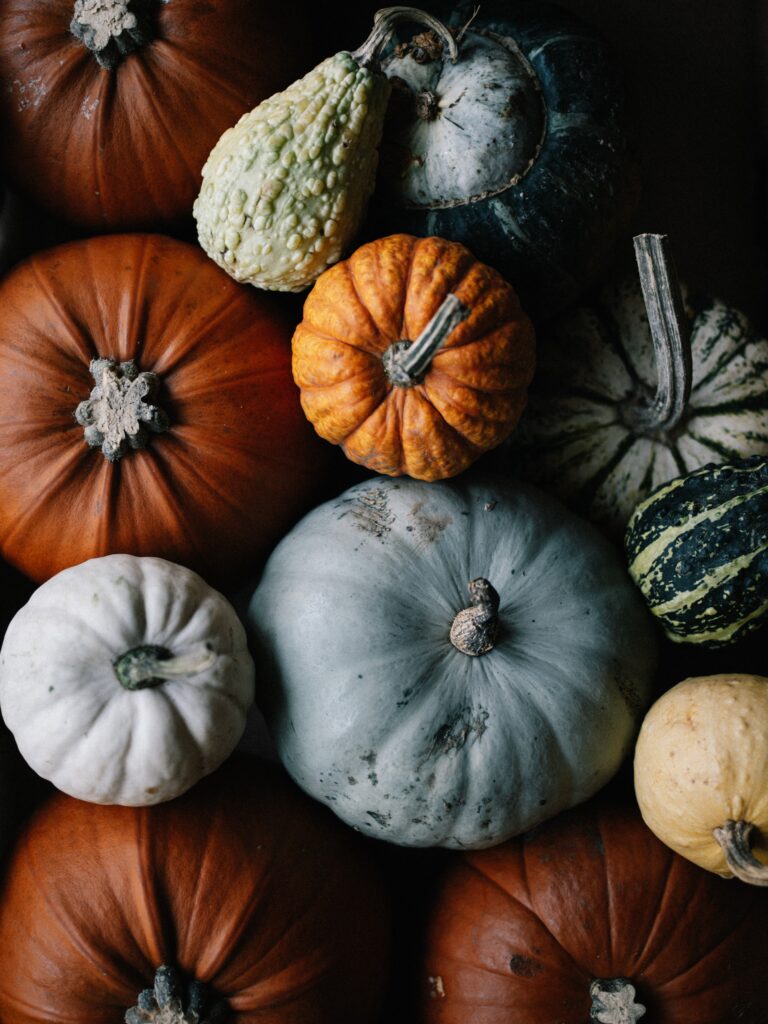
Like September, October is all about early-fall fare. Summer squash and winter squash collide, as strawberries and blueberries make way for apples and pears. In the spirit of end-of-summer’s most delicious produce, below are the ingredients to focus on in October.
Apples
It’s time to start stocking up! Apple season is here. I love crisp, chopped apples in salads with goat cheese, along with apple slices dipped in almond butter. Apples sautéed apples in coconut oil and cinnamon, are the best yogurt or oatmeal topping. When possible, opt for organic apples. Conventionally grown apples are highly sprayed with pesticides, then coated with wax. If you’re debating what to buy organic, apples are worth the extra expense.
BLACKBERRIES
Yes, blackberries are still in season. These delicious fruits offer several health benefits, and they capture the essence of summer in their sweetness. They’re packed with vitamin C, fiber, and antioxidants. Enjoy them on ice cream, yogurt, in smoothies, in salads, or atop cottage cheese. Juicy, sweet blackberries are a snack in themselves, but they’re also lovely on chia pudding and make a simple dessert when served with whipped cream. As a general rule, buy organic berries (they’re high on the Dirty Dozen list).
broccoli
Despite seeing broccoli year-round in the grocery store, broccoli is a cold-weather crop and tastes best when harvested in the fall. October broccoli heads will be large and plentiful, compared to the smaller bunches during the warm months. If you are only familiar with steamed broccoli, you’ll be happy to know there are a plethora of creative broccoli recipes—from pasta dishes to curries.
brussels sprouts
Brussels sprouts are best in October, and if you can, purchase them on the stalk as these will be the freshest. I love them caramelized with garlic and shaved into a salad, but you can also steam and roast them. Brussels sprouts are high in fiber, vitamins, minerals, and antioxidants, making them a nutritious addition to your autumn diet. And fun fact, cruciferous veggies are known as healing foods to support optimal health and hormones. They effectively metabolize excess estrogen, supporting those with hormonal imbalance.
CArrots
While they’re a year-round supermarket staple, carrots actually have two seasons. There’s a late-spring crop as well as a fall crop. Early season carrots are sown in the winter and very early spring and protected with plastic or fleece covers. They are harvested from June through to August. Green top carrots are sown in the open ground in spring and are harvested from August until the first frosts start to appear. Raw carrots are fantastic for balancing hormones (especially if you’re estrogen dominant).
cauliflower
Along with broccoli and Brussels sprouts, cauliflower is another cruciferous veggie with a variety of health benefits. When roasted, cauliflower takes on a whole new persona—creamy on the inside, a little crispy on the outside, and a sweet nuttiness that can’t be matched. In addition to starring in a number of side dishes, you can replace white flour with a cauliflower crust in your family’s pizza recipe, or swap out cauliflower rice for regular next time you plan a stir-fry.
Cranberries
It’s the start of cranberry season. In the U.S., cranberries are only harvested in the fall and should be available at your local grocery store from September through January. You can eat them raw, pulse them into a relish, or blend cranberries into a super nutritious smoothie. They also freeze beautifully.
Figs
There are two seasons for domestic fresh figs: the first season is the first few weeks in June, and the second or “new wood” season typically runs from August through October. The most common variety is the Black Mission fig, followed by the Brown Turkey fig, and the Green Kadota fig. If you see them at your grocery store, buy them only if you plan to use them quickly. Fresh figs will spoil within 7-10 days of harvesting. In most cases, this means you have a couple of days to enjoy them at home. Try my fig smoothie! Otherwise, they’re delicious paired with cheese, on toast, in salads, and in yogurt bowls.
Grapes
Although farmers offer grapes year-round, the peak of the domestic grape season is now: early-fall. Another highly sprayed fruit, opt for organic grapes! We know them as the sweet fruit fermented for wine and dried to become raisins, but are grapes good for you? Absolutely. In addition to their versatility, grapes are rich in vitamins, antioxidants, and nutrients. The skin of red grapes contains resveratrol, which supports heart function. From a nutrition perspective, red and green grapes are very similar. However, red grapes contain larger amounts of antioxidants.
Leeks
Leeks—like figs—can be categorized as summer and winter. The winter harvest begins in October and produces a larger, stronger flavored vegetable than the warmer month version. They can keep for up to two weeks in the fridge, and will also do well frozen. The main ingredient in leek and potato soup, this elongated green and white stalk is also delicious when sautéed with chicken, swiss chard, or spinach.
Pears
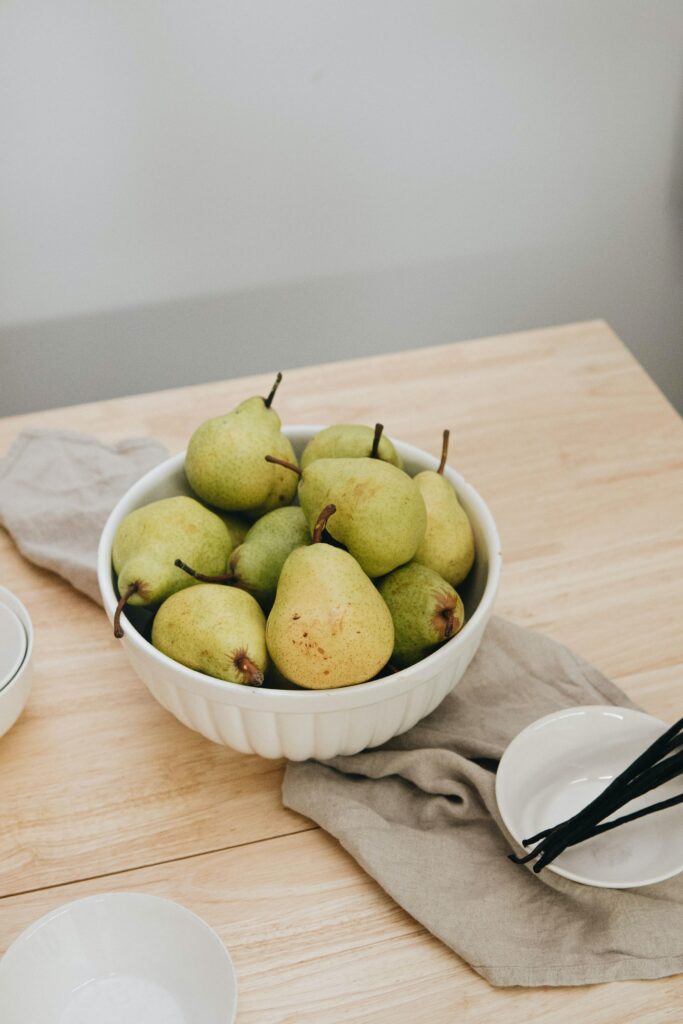
Like apples, it’s peak pear season, and there are a variety of pears to choose from. Ultimately, the recipe you’re making will determine which pear(s) you buy. For example, if you’re making a cheese plate, opt for winter pears—also called Danjour or Anjou pears. This variety works best with cheeses that won’t overpower their flavor. That said, there are endless ways to use pears. This salad is delicious, as is this pear crisp. If you’re looking for a ripe pear to eat immediately, find a browner or more yellow-colored pear with no green undertones. There should be no soft spots on the pears, and it should be fairly firm.
Parsnips
They look like a carrot’s very pale cousin, but parsnips are much sweeter and more versatile. Along with being soup vegetables, they’re also lovely when roasted, braised, pureed, and even crisped up as fries.
Images courtesy of Unsplash. This article contains affiliate links. Thank you for supporting Wellness with Edie.



Leave a Reply